
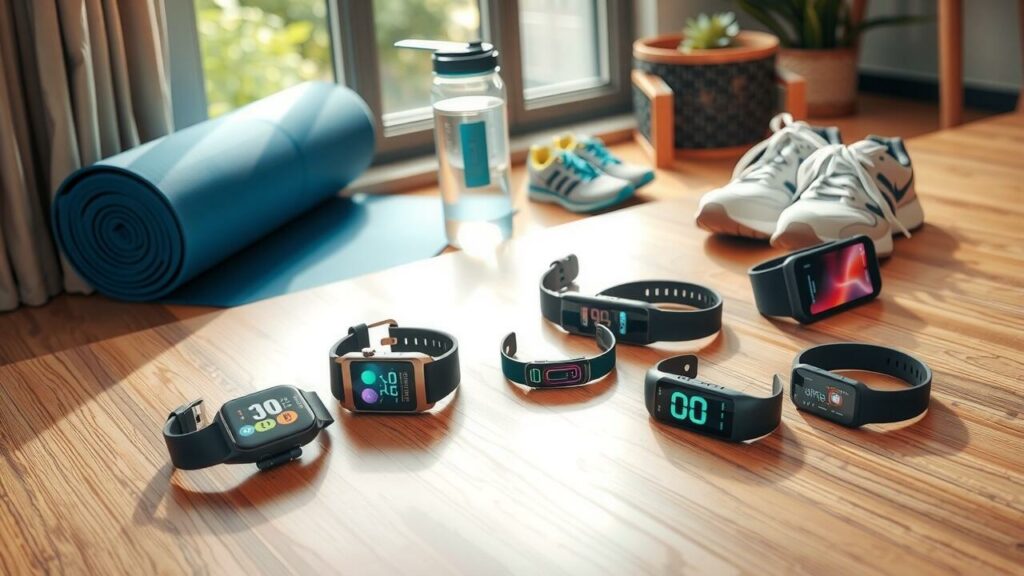
Fitness Trackers with Heart Rate Monitoring
Heart rate monitoring has ascended to a pivotal role in the realm of modern fitness trackers. These ingenious gadgets deliver real-time heart rate data, empowering users to assess their fitness levels and fine-tune workout intensity with precision. This feature is not just a nifty add-on; it’s vital for effective training, allowing individuals to navigate their desired heart rate zones—essential for maximizing calorie burn and enhancing cardiovascular health.
The sensors nestled within these trackers boast remarkable accuracy in capturing heart rate fluctuations, offering a window into an individual’s overall health landscape. But wait—this capability doesn’t merely end at sweat-drenched workouts! Oh no! It spills into the quiet moments of rest and even the depths of sleep, revealing patterns that could illuminate stress levels or recovery states. Such insights can spark lifestyle adjustments that elevate one’s well-being.
Moreover, many devices come packed with algorithms meticulously analyzing heart rate variability—a fascinating metric underscoring cardiovascular health as a true marker of fitness evolution. As technology hurtles forward at breakneck speed, we can only imagine how much more intricate and insightful heart rate monitoring will become—promising an ever-deepening understanding of our personal health metrics while keeping us on our toes!
Importance of Heart Rate Tracking for Health
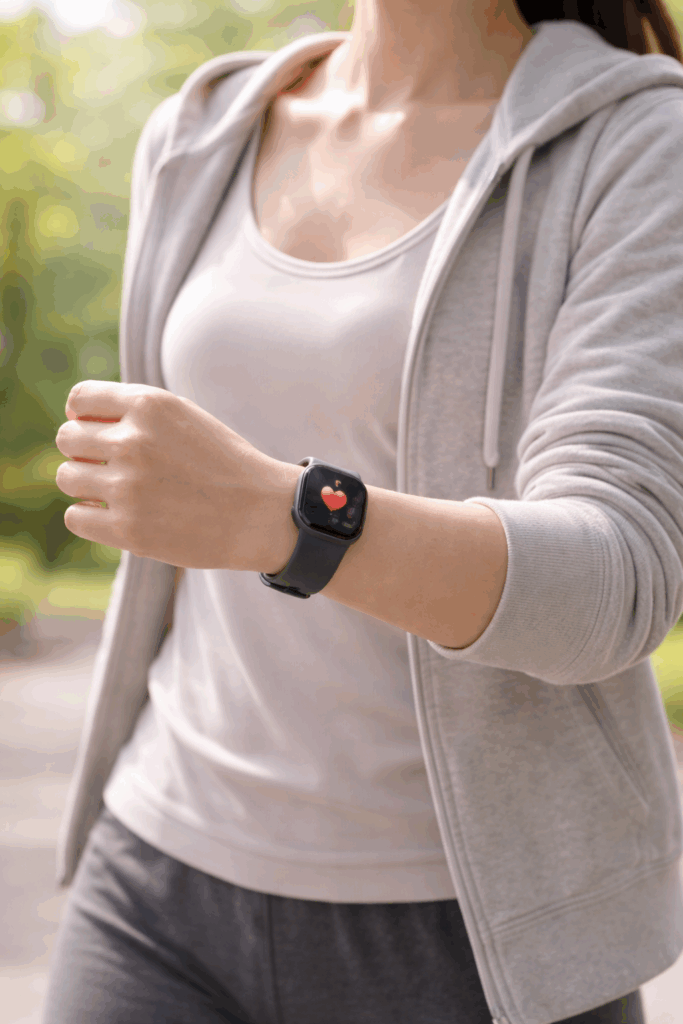
Keeping an eye on heart rate unveils critical revelations about cardiovascular well-being and general fitness. Imagine a steady rhythm of tracking—each beat, each fluctuation whispers secrets about how one’s heart is faring. It reveals the dance between exercise intensity and recovery time, painting a vivid picture of one’s physical response to exertion. This treasure trove of data empowers individuals to sculpt their workouts around personal fitness aspirations while deftly sidestepping the pitfalls of overexertion—a trap that could spiral into injury or fatigue.
But wait! The importance of monitoring your heart rate doesn’t stop at just breaking a sweat. Oh no, it goes deeper! It serves as an early warning system, alerting users to peculiar shifts that might signal lurking health concerns. Many modern fitness trackers come equipped with nifty features designed to sound the alarm for irregular heartbeats or drastic fluctuations—ensuring that you can spring into action if needed. By staying tuned in to their heart’s symphony, users can take charge of their health journey and make choices that resonate with vitality and wellness!
Fitness Trackers with GPS Functionality
In the ever-evolving landscape of fitness, modern trackers—those sleek gadgets armed with GPS capabilities—bestow a remarkable edge upon outdoor adventurers and dedicated athletes alike. With precision in real-time location tracking, these devices allow users to chart their courses while engaging in activities like running, cycling, and hiking. Gone are the days when one relied on traditional pedometers; GPS-enabled trackers liberate you from the tether of your mobile phone, crafting an experience that feels both seamless and invigorating. This newfound independence not only amplifies the thrill of conquering nature but also delivers a wealth of stats on distance covered, pace set, and elevation gained.
But it’s not just about performance metrics; oh no! The GPS functionality weaves an added layer of safety into your outdoor escapades. Many models come equipped with features enabling users to share their whereabouts with friends or family—a comforting thought for those venturing out solo. Plus, this integration of GPS technology flings open doors to uncharted routes and diverse terrains, transforming mundane fitness routines into captivating journeys filled with discovery. In essence, these innovative trackers embody a perfect fusion of utility and security—tailoring themselves beautifully to meet the eclectic needs of all who seek adventure in motion.
Benefits of Built-In Navigation for Outdoor Activities
Fitness trackers with GPS capabilities present a treasure trove of advantages for those who thrive in the great outdoors. Imagine this: real-time location monitoring, a safety net that becomes all the more vital when you’re venturing solo into uncharted territories. The ability to keep tabs on distance, pace, and elevation transforms each training session into a finely tuned symphony of performance metrics—your own personal scoreboard!
But wait! There’s more. With built-in navigation features at your fingertips, the outdoor experience elevates to new heights. Picture yourself effortlessly following pre-planned routes or crafting fresh paths without juggling extra gadgets. Maps and trails right there on your wrist? Yes, please! This diminishes dependence on smartphones, allowing you to immerse yourself fully in nature’s beauty. Such ease encourages not only exploration but also deepens your commitment to embracing outdoor adventures like never before!
Health and Wellness Features in Fitness Trackers
The realm of modern fitness trackers has dramatically transformed, morphing into sophisticated gadgets that boast an impressive array of health and wellness features—far surpassing mere activity logging. Picture this: no longer are we confined to just counting steps! Now, metrics like sleep quality, stress levels, and even blood oxygen saturation dance on the screens of these devices, offering users a treasure trove of insights into their overall well-being. Many of these sleek contraptions come packed with advanced algorithms that delve deep into sleep patterns—crafting personalized recommendations designed to elevate one’s rest experience. And let’s not overlook the nifty stress management tools embedded within; they often feature guided breathing exercises that empower users to tackle mental health challenges head-on.
This surge in enhanced functionalities arms users with the ability to adopt a more proactive stance toward their health journeys. With an abundance of comprehensive data at their fingertips, individuals can spot trends and make savvy lifestyle adjustments. Take, for instance, tracking daily step counts alongside fluctuating stress levels—the revelations might trigger them to tweak activities or refine relaxation techniques accordingly! This fusion of physical and mental health capabilities cultivates a holistic approach to wellness—a veritable game changer! Fitness trackers have thus become indispensable allies for those determined to uplift their quality of life in today’s fast-paced world.
Beyond Steps
Ah, the realm of modern fitness trackers—what a fascinating landscape they’ve transformed into! No longer content with simply counting steps like a diligent little robot, these gadgets have blossomed into multifaceted companions for health and wellness. Imagine devices that not only tally your footsteps but also delve deep into the intricate dance of vital metrics: sleep quality swirling around you, stress levels lurking in the shadows, and heart rate variability whispering secrets about your body’s state.
Picture this: as you don these sleek wrist adornments, insights unfurl like petals in spring. Users gain profound revelations about their sleep patterns—oh yes!—leading to an enlightened understanding of those elusive rest cycles. The result? A daily performance boost that radiates through every facet of life and enhances overall well-being. And let’s not overlook the powerful tool of stress monitoring; it holds the key to recognizing triggers, empowering individuals to navigate mental health challenges with newfound finesse.
But wait! There’s more magic at play here. Engaging with these sophisticated features opens up a treasure trove for users eager to customize their fitness journeys and wellness practices. Guided breathing exercises invite serenity amidst chaos; tailored sleep recommendations beckon restful nights; mindfulness notifications act as gentle nudges towards clarity amid life’s whirlwind. As our collective awareness around health continues to swell like an ocean tide, the demand for such comprehensive monitoring tools surges alongside it—a clarion call for holistic health management!
This evolution is no mere coincidence—it mirrors society’s growing thirst for multi-dimensional self-care strategies, enabling everyday folks to track progress across myriad aspects of their lives in ways we once dreamed possible. How exhilarating is that?
User Experience and App Integration
The user experience associated with a fitness tracker is profoundly shaped by the app that accompanies it. Picture this: an exquisitely crafted app, brimming with a user-friendly interface that invites effortless navigation and customization of settings—a digital playground for your wellness aspirations! Features like real-time notifications buzz into action, progress tracking unfolds in vivid detail, and personalized fitness recommendations spring forth to keep users engaged like never before. The magic happens when integration with popular health platforms allows individuals to weave together their wellness data, empowering them to make astute decisions about their unique fitness journeys.
But hold on—effective app integration isn’t just a nice-to-have; it’s critical for unlocking the full potential of these high-tech devices! Many models now glide seamlessly into harmony with third-party applications, catapulting functionality far beyond simple activity logging. Users can dive deep into detailed analytics, set ambitious goals, and receive customized insights—all crucial threads in the intricate tapestry of health and wellness. This connectivity nurtures a comprehensive approach to fitness, ensuring individuals don’t merely track physical exertion but also consider overall lifestyle elements that significantly influence well-being.
Seamless Connectivity for Better Insights
In the realm of modern fitness, trackers have evolved into sophisticated companions, weaving themselves effortlessly into a tapestry of mobile applications that elevate the user experience to new heights. Picture this: devices pulsating with Bluetooth technology, facilitating an almost magical data synchronization that happens without a hitch! This sleek connectivity empowers users to keep tabs on performance metrics in real time, dishing out personalized feedback tailored precisely to individual fitness aspirations.
But wait—there’s more! App integration dazzles with customizable dashboards, painting a vibrant picture of daily activities, sleep patterns dancing across graphs, and even stress levels bubbling beneath the surface. Users dive deep into historical data—the treasure trove of progress tracked over time—unearthing insights that inspire growth. And let’s not forget the social dimension; many apps sparkle with community features where achievements are shared like badges of honor and motivation is as contagious as laughter at a party. The seamless sync between tracker and app crafts a holistic approach to fitness management—a dynamic duo keeping users engaged and informed every step (and heartbeat) of the way!
| Fitness Tracker Model | Key Features | Mobile App Integration | Battery Life |
|---|---|---|---|
| Fitbit Charge 5 | 24/7 Heart Rate, GPS, Stress Management | Yes, with customizable dashboards | 7 days |
| Garmin Vivosmart 4 | Body Battery, Sleep Score, Advanced Sleep Tracking | Yes, with detailed health data | 7 days |
| Xiaomi Mi Band 6 | SpO2 Monitoring, 30 Fitness Modes, AMOLED Display | Yes, with extensive activity history | 14 days |
| Apple Watch Series 7 | Fitness Tracking, ECG, Blood Oxygen Monitoring | Yes, with community features and sharing | 18 hours |
Comparing Battery Life Across Models
When diving into the world of fitness trackers, one cannot overlook the pivotal role of battery life. Ah, yes! That ever-so-crucial aspect that can dictate how often you find yourself tethered to a charger. With an array of models at your fingertips, each flaunting its own endurance levels, you’ll discover that some devices barely make it through a few days while others boast weeks on a single charge—an intriguing disparity influenced by features and usage patterns galore!
Now, let’s not forget that those sleek gadgets sporting cutting-edge capabilities like round-the-clock heart rate monitoring or GPS tracking tend to drain their lifeblood more rapidly—power demands escalating as functionalities multiply. It’s almost poetic in its irony: the fancier the tracker, the quicker it gasps for juice.
As you embark on this quest for your ideal companion in fitness tracking, remember this: manufacturers provide specific performance metrics—but don’t be fooled! Basic models might extend their lifespan with ease; however, embracing health insights and receiving smart notifications usually comes with strings attached—a trade-off between convenience and staying powered up longer.
So take a moment to reflect upon your unique needs and daily habits. This contemplation could very well guide you toward finding that sweet spot—a model harmonizing functionality with enduring stamina—that keeps pace with both your aspirations and lifestyle!
What to Expect in Terms of Longevity and Usage
Battery life, oh what a pivotal component to ponder when diving into the world of fitness trackers! Picture this: users are greeted by a delightful spectrum of longevity that varies wildly across different models. Some daring devices might stretch out for several glorious days on just one charge—an enticing prospect, no doubt! Yet, lurking in the shadows are others that demand frequent pit stops at the charging station.
Now, those high-end gadgets? They strut around flaunting their cutting-edge battery tech, designed not just to keep up but to thrive during extended bouts of activity tracking and monitoring shenanigans. This is particularly golden for outdoor enthusiasts or anyone who revels in marathon workout sessions.
But wait—there’s more! It’s not just about how long the battery can hold its own; usage habits play a starring role too. Think about it: if you’re constantly checking your heart rate or navigating through GPS like an explorer in uncharted territory while also delving into intricate health metrics, well, that battery won’t stand a chance against such relentless demands! So here’s the kicker: prospective buyers must take stock of their unique needs and routines. The goal? To discover that sweet spot—a model that harmonizes performance with low-maintenance bliss so seamlessly fits within their vibrant lifestyle!
- Understand the typical battery life range for different fitness tracker models.
- Look for devices that offer quick charging options for added convenience.
- Consider how frequently you’ll use features like GPS, heart rate monitoring, and notifications.
- Research user reviews to gauge real-world battery performance.
- Choose a model that aligns with your activity level and frequency of use.
- Evaluate battery-saving modes that help extend life during intensive use.
- Keep in mind that software updates can impact battery performance over time.
Conclusion
The world of fitness trackers is in a constant state of flux, teeming with an array of choices designed to meet the diverse needs and whims of users. Choosing the perfect device isn’t just a casual decision; it’s a nuanced process that demands careful thought about personal health aspirations, levels of activity, and specific features one might crave. This ensures a customized experience that genuinely supports each unique wellness odyssey.
Plunging into the investment of a fitness tracker goes beyond mere monitoring of physical exertion; it opens up avenues for profound insights into overall well-being. With cutting-edge capabilities at their fingertips, these gadgets empower individuals to remain deeply engaged in their exercise regimens while nurturing an anticipatory stance toward health management.
FAQS
What should I look for in a fitness tracker?
Ah, the quest for the perfect fitness tracker! Dive into an array of features that beckon you—heart rate monitoring to gauge your pulse like a heartbeat symphony, GPS functionality to chart your adventures across uncharted terrains, health and wellness metrics that whisper secrets about your well-being. Consider the user experience; it’s all about how seamlessly it melds into your life. App integration can either elevate or hinder your journey, while battery life—oh sweet battery life—should endure long enough to keep pace with your ambitions.
How important is heart rate monitoring in a fitness tracker?
Heart rate monitoring isn’t just important; it’s pivotal! It sheds light on the intricate dance of cardiovascular health, tracks exercise intensity like a vigilant coach at your side, and assists in sculpting workouts tailored for weight loss or those lofty fitness aspirations.
Can fitness trackers track sleep patterns?
Indeed they can! Many modern marvels are equipped with sleep tracking capabilities that delve deep into the realms of slumber. They measure not only how many hours you drift off but also the quality of those precious zzz’s, illuminating patterns that pave the way toward enhanced well-being.
How do GPS features enhance outdoor activities?
Ah yes! The magic of GPS functionality transforms outdoor escapades into precise journeys filled with accurate distance tracking and route mapping galore! Navigation becomes second nature as you monitor performance during exhilarating pursuits like running through sunlit trails or hiking up misty mountains—all while feeling grounded yet free!
What is the typical battery life of a fitness tracker?
Battery life—a variable creature indeed! Depending on which model has captured your fancy, most trackers boast anywhere from 5 to 14 days on a single charge. Yet remember—the more features you engage and activity tracking frequency play their roles in this ever-shifting equation!