
Compatibility with Your Devices
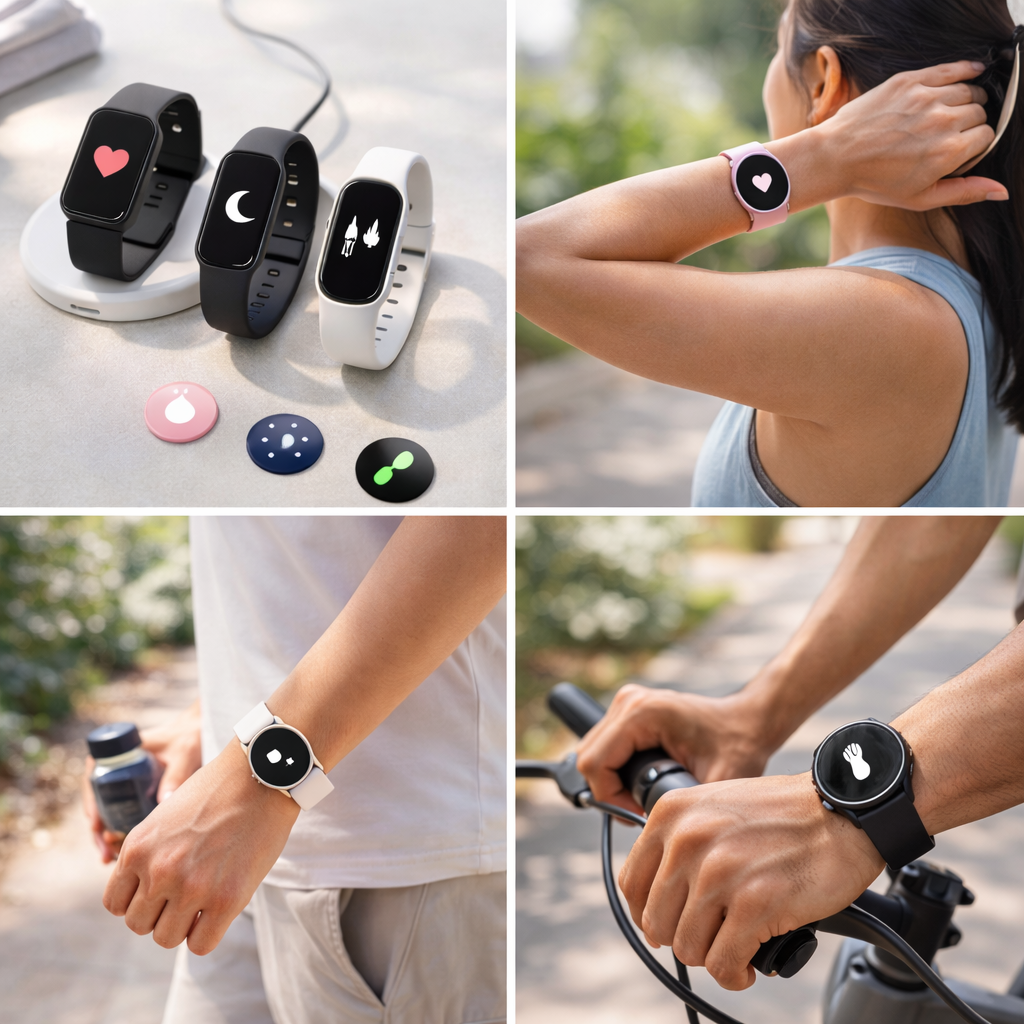
Choosing a fitness tracker is no small feat; it demands an astute evaluation of the gadgets already in your possession. Picture this: compatibility with your smartphone, tablet, or even computer—it’s not just important; it’s essential for that flawless synergy we all crave. Most trackers effortlessly sync up with the likes of iOS and Android, but hold on! Make sure they support those must-have apps to truly elevate your experience into something remarkable. Dive deep into the specifications of potential contenders to verify their alignment with your tech arsenal.
And let’s not forget about other health and fitness applications when weighing options for a fitness tracker! Many models boast seamless integration with platforms like MyFitnessPal or Strava—oh, what a game changer that can be! Centralizing all your health data and activity tracking could transform how you monitor your wellness journey. Navigating these interactions between devices can lead to profound insights regarding your overall well-being. So before you make any decisions, double-check everything from the manufacturer’s website and peruse user reviews—after all, ensuring that smooth interface with your existing technology might just be the key to unlocking a better you!
Ensuring Seamless App Integration
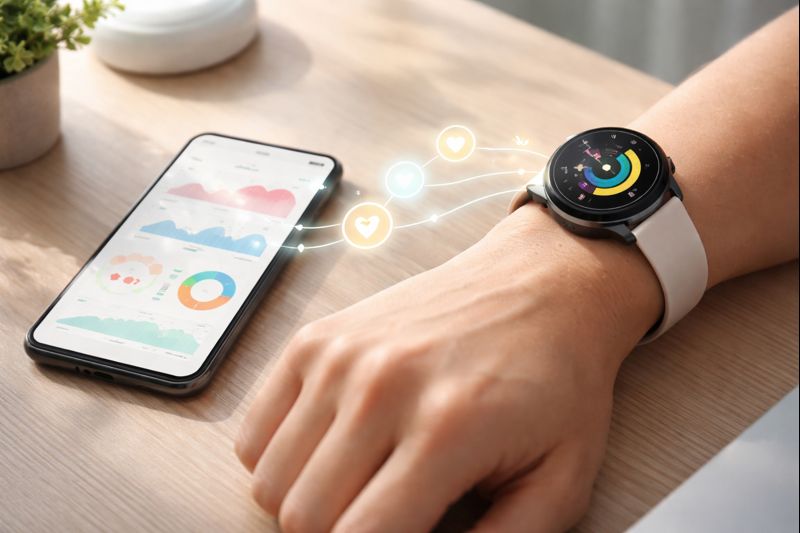
When diving into the world of fitness trackers, one must keenly ponder their compatibility with those trusty apps already nestled on your device. A plethora of popular trackers harmoniously sync with renowned health and fitness applications—this union allows users to effortlessly log activities and monitor progress like never before. Delving into app integrations ahead of time is a savvy move, ensuring that the gadget aligns perfectly with your unique needs while propelling you toward your fitness aspirations without a hitch.
But wait! There’s more to this tale: user experience weaves its own intricate thread in the fabric of app integration. Imagine wielding a fitness tracker paired with an app boasting an intuitive interface; it elevates the entire journey, transforming data interpretation and settings adjustments into child’s play. Seek out devices that promise seamless connectivity alongside easy navigation features—these are the keys to unlocking deeper engagement with your beloved app. And don’t overlook the treasure trove found in user reviews—their insights can illuminate potential pitfalls while showcasing how well (or not) your prospective tracker performs in real-world scenarios.
| Fitness Tracker | Compatible Apps | Integration Features |
|---|---|---|
| Fitbit Charge 5 | Fitbit App, MyFitnessPal, Strava | Automatic syncing, Custom goals, Activity logging |
| Garmin Venu Sq | Garmin Connect, Strava, MapMyRun | Real-time data sharing, Music control, Custom workouts |
| Xiaomi Mi Band 6 | Xiaomi Wear, Google Fit, Mi Fit | Smart notifications, Health metrics tracking, Sleep analysis |
| Apple Watch Series 7 | Apple Health, MyFitnessPal, Nike Run Club | Heart rate monitoring, ECG feature, Fitness app integration |
Budgeting for Your Fitness Tracker
When diving into the world of fitness trackers, it’s crucial to carve out a budget that resonates with your financial landscape and personal fitness aspirations. The marketplace is a veritable smorgasbord of devices, each flaunting its own price tag—some low, some sky-high. By pinning down a clear budget, you can sift through the myriad options available and zero in on a tracker that delivers all the necessary bells and whistles without draining your wallet.
Keep this golden nugget in mind: just because an item comes with a hefty price doesn’t automatically mean it’s the best choice for you. Take stock of the features that truly matter—be it heart rate monitoring or GPS tracking—that will elevate your workout experience. By pinpointing these essential specs, you’ll uncover a device perfectly tailored to your needs while staying within those financial boundaries you’ve set. This strategy not only empowers you to make savvy decisions but also shields against those sneaky impulse buys driven by mere brand allure!
Finding the Right Balance Between Cost and Features
When diving into the world of fitness trackers, it’s crucial to dissect both cost and features—this is your golden ticket to ensure that every dollar spent translates into genuine value. You’ll find a host of budget-friendly gems offering fundamental functionalities like counting steps and tracking sleep; these might just hit the spot for newbies dipping their toes into fitness waters. On the flip side, pricier gadgets often boast bells and whistles galore: heart rate monitoring, GPS navigation, personalized coaching—the works! Grasping your unique fitness aspirations alongside the specific features that resonate with them can illuminate where best to funnel your hard-earned cash.
But hold on! We must also weigh those trade-offs between price tags and capabilities—it’s pivotal for making savvy choices. Just because something comes with a heftier price doesn’t guarantee it outperforms its cheaper counterparts. Scour user reviews and ratings—they’re treasure troves revealing devices that strike a harmonious balance between affordability and essential functions. This meticulous approach empowers you to unearth a tracker tailored to your needs without breaking the bank. And don’t forget to ponder how frequently you’d engage with those advanced features; this insight could be key in steering your investment decisions down the right path!
Reviews and Recommendations
When diving into the world of fitness trackers, it’s paramount to sift through user reviews and expert insights—they can dramatically shape your choices. Picture this: online platforms like bustling fitness forums and retail sites brimming with customer feedback, each review a treasure trove of firsthand experiences waiting to be unearthed. These reflections not only spotlight the dazzling strengths of various devices but also cast shadows on potential pitfalls—an essential aspect that helps you discern which features truly align with your needs.
Moreover, don’t overlook specialist blogs and tech review havens; they offer polished evaluations that juxtapose performance against functionality across different models nestled within your budget. The beauty of user-generated content lies in its authenticity—it often unveils practical tips lurking in the margins, details that official descriptions may gloss over entirely.
As you navigate these myriad insights, keep an ear attuned to recurring themes: ease of use, battery longevity, measurement accuracy—all pivotal elements that could sway your overall satisfaction with a device. Embracing a tapestry of opinions ensures you’re not merely scratching the surface; instead, you’re digging deep into a well-rounded evaluation process. This empowers you to handpick a tracker that harmonizes seamlessly with both your fitness aspirations and personal style preferences—a choice crafted just for you!
Gathering Insights from Experienced Users
User reviews and recommendations—oh, how they can be a treasure trove of insights when hunting for that perfect fitness tracker! Seasoned users frequently spill the beans on their real-world experiences, weaving tales about device performance, battery longevity, the precision of those all-important tracking metrics, and the overall user vibe. By sifting through reviews scattered across different platforms like breadcrumbs in a digital forest, you can start to piece together the reliability puzzle of any given product. Pay special attention to recurring themes around features that resonate with your fitness aspirations—be it step counting prowess, heart rate monitoring finesse, or sleep tracking savvy.
And don’t underestimate the power of online communities or forums—they’re like hidden gems waiting to be uncovered! Here’s where participants dive deep into their journeys with various devices, sharing not just anecdotes but also nuggets of wisdom for squeezing every drop of utility from your chosen fitness tracker. This kind of insight often escapes the glossy confines of official product descriptions. A broader tapestry woven from diverse user experiences can illuminate both dazzling strengths and pesky weaknesses—crucial elements as you navigate toward an informed decision in this whirlwind world of wearable tech!
Trying Before You Buy
Testing a fitness tracker in person reveals layers of insight that online reviews often fail to unveil. Picture this: the vibrant retail landscape, bustling with possibilities, where you can touch and feel an array of models. This hands-on experience is crucial—it’s not just about aesthetics but also about how each device feels against your skin during those sweat-inducing workouts or casual daily wear.
And let’s talk about the staff—the unsung heroes of the shopping experience! These knowledgeable sales associates bring a wealth of expertise from navigating various brands and their quirks. They’re like guides on your journey, illuminating specific features tailored to match your unique fitness aspirations. As you experiment with different trackers, you’re not just selecting a gadget; you’re uncovering which model resonates best with your lifestyle and preferences, paving the way for a decision that truly satisfies.
The Importance of Testing Devices in Person
Diving into the world of fitness trackers, oh, what a game changer that can be for your buying choices! When you get to try these devices firsthand, it’s like opening a treasure chest filled with possibilities. You start to weigh crucial factors—comfort snugging against your wrist, how effortlessly you can navigate its features, and just how bright and clear that screen really is. Each model brings its own flavor; some might feel feather-light while others could have an unwelcome heaviness that saps the joy right out of your workout. It’s this tactile exploration that helps you figure out whether the tracker truly fits into your vision of fitness.
But wait, there’s more! Getting hands-on with a device means diving deep into its functionalities. Picture yourself scrolling through menus—will they greet you smoothly or leave you fumbling? Tweaking settings becomes an adventure in itself as you discover nuances only revealed by direct interaction. And let’s not forget app compatibility—it’s essential to see if everything syncs up seamlessly with what you’re already using. Many shops even roll out demos where curious souls can ask questions galore and soak up wisdom from savvy staff members who know their stuff inside and out. This rich experience elevates your comprehension of what each product offers before taking the plunge into purchase territory!
- Evaluating comfort and fit on your wrist before committing to a purchase
- Testing the clarity and responsiveness of the device’s screen
- Navigating the user interface to assess ease of use
- Exploring additional features that may not be listed on the packaging
- Checking compatibility with existing apps and devices you use
- Asking questions to knowledgeable staff for insights and recommendations
- Gaining a better sense of the device’s performance during actual use scenarios
Getting Started with Your New Tracker
Setting up your fitness tracker is no simple task; it’s a journey brimming with steps that pave the way for an optimal experience. First things first—dive into your smartphone’s app store and snag the right app tailored for your device. Once you’ve got it installed, you might need to create an account, so be ready to input some essential personal details like age, weight, height, and activity level. This seemingly mundane data isn’t just fluff; it primes the tracker to offer insights and recommendations finely tuned to your unique fitness aspirations.
Next up: pair that sleek gadget with your smartphone via Bluetooth—a little dance of connectivity that opens doors to a realm of possibilities! The app awaits exploration, packed with features galore where you can activate notifications and customize settings until they feel just right.
But wait—let’s talk personalization! It’s what transforms a mere piece of tech into something that resonates with *you*. Tweak those display settings until they’re perfect for your eyes, select preferred metrics for tracking (because who doesn’t want their own set of priorities?), and lay down daily fitness goals like stepping stones on this path toward health. Many devices even come equipped with nifty reminders designed to keep motivation bubbling beneath the surface.
Don’t rush through this process; take time to dive deep into the analytics and encouragement features within the app—they’re not just bells and whistles but vital tools in crafting a more effective fitness expedition. By engaging both mindfully with the device itself and playfully exploring all aspects of its companion app, you’re gearing up to unleash every ounce of potential from your trusty fitness tracker as you embark on this exhilarating journey toward success!
Setting Up and Personalizing Your Device
So, you’ve picked out your fitness tracker—awesome choice! The first step? Juicing it up; yes, that means charging the device. But hang on a second! Don’t just dive in headfirst. Take a moment to sift through those manufacturer instructions—they’re gold for getting cozy with all the nifty features packed inside. Most of these gadgets will nudge you toward downloading their companion app on your smartphone, which is like the magic key that unlocks seamless syncing between your shiny new gadget and everything else digital in your life.
Now comes the fun part: creating an account or logging in! This little ritual often unveils a treasure trove of personalized features tailored specifically to help you crush those fitness goals.
Customization is where the real magic happens—you get to mold this device into something uniquely yours. Kick things off by inputting some personal details: age, weight, activity level—the whole shebang! This info fuels the tracker’s ability to spit out metrics that are actually useful and spot-on accurate. Plus, many trackers let you play around with settings for activity goals and notifications galore! So go ahead—tweak away! Experimenting here can seriously amp up your experience, transforming this tracker into an indispensable ally on your path to fitness greatness.
Conclusion
Choosing the perfect fitness tracker can dramatically shape your path to a healthier you. It’s not just about picking any gadget; it’s about diving deep into factors like compatibility with your other devices, how much you’re willing to spend, and what real users are saying. These considerations will guide you toward a decision that truly resonates with your fitness aspirations.
But let’s not forget: everyone has their own unique preferences and requirements. What works for one person might be entirely off-base for another! So, investing time in exploring and comparing various options is key. This approach ensures you’ll discover a device that seamlessly integrates into your daily routine while igniting that spark of motivation needed to stay dedicated on this health journey of yours.
FAQS
What features should I look for in my first fitness tracker?
Ah, the quest for that perfect fitness tracker! When embarking on this journey, keep an eye out for essential features like heart rate monitoring—because who doesn’t want to know if their heart’s racing from a workout or just a good Netflix binge? Step tracking is crucial too—counting those steps can turn even the most mundane stroll into a mini victory. Sleep tracking whispers secrets of your slumber habits while GPS capabilities help you navigate your runs without getting lost in the wild. And don’t overlook compatibility with your smartphone; it’s like finding the right partner in crime! If you’re feeling adventurous, consider extras like waterproofing and long battery life tailored to your unique fitness aspirations.
How do I ensure that my fitness tracker is compatible with my devices?
To dodge any tech woes, dive into the specifications of that shiny new fitness tracker before you swipe that card. Most trackers play nice with both iOS and Android devices—but don’t take that for granted! A little verification goes a long way toward ensuring smooth app integration and avoiding post-purchase headaches.
What is a reasonable budget for a beginner’s fitness tracker?
Ah, budgeting—the art of balancing desire against dollars! For beginners dipping their toes into the world of fitness trackers, prices typically span from around $30 to $200. It’s all about striking that sweet spot between cost and functionality—finding something that’ll meet your needs without making your wallet weep!
Where can I find reviews and recommendations for fitness trackers?
The internet brims with treasure troves of wisdom when it comes to reviews! Cast your net wide across tech websites, delve into informative blogs dedicated to health enthusiasts, or peruse user feedback on retail sites where real-life experiences come alive. Look specifically for thorough critiques discussing both pros and cons; they’re golden nuggets guiding you towards an informed choice.
Why is it important to try a fitness tracker in person before buying?
Ah yes—the tactile experience can be oh-so-revealing! Trying on a fitness tracker lets you gauge its comfort level as well as how snugly it fits on your wrist during those high-energy workouts (or couch marathons). Plus, exploring its interface firsthand gives you insight—you’ll discover whether it’s intuitive enough or if you’ll spend more time wrestling with settings than actually sweating!
How do I set up and personalize my new fitness tracker?
Ready to embark on this digital adventure? Start by following the manufacturer’s instructions—it’s usually straightforward pairing magic between device and smartphone. Once linked up, unleash customization powers through the companion app; adjust activity goals so they align perfectly with what motivates YOU! Tweak notifications until they’re just right—and configure display options until every glance at your wrist feels invigoratingly personal—all set for whatever lies ahead in your fit journey!