

Best Practices for Accurate Heart Rate Monitoring
Heart rate monitoring—oh, how critical it is for wrangling reliable fitness data! To snag the most precise results, users must navigate the delicate dance of device placement, following the manufacturer’s whims and fancies. A snug embrace is key; a tracker that flops about might just serve up erratic readings like confetti at a parade. But wait! The inner wrist or near the chest—the golden spots! These prime locations sit ever so close to those pulsating arteries where blood flows with fervor, ready to be detected more accurately.
Now let’s not overlook calibration—a vital step in this fitness saga. Tailoring your device to personal metrics like age and fitness prowess can skyrocket measurement precision into another dimension! And here’s a pro tip: steer clear of donning your tracker over clothing that could stifle its sensor magic. Oh, and remember to give it a good scrub now and then; sweat and dirt are pesky foes that can muddy up heart rate tracking effectiveness. By embracing these practices, users can unlock the door to accurate—and oh-so-beneficial—heart rate readings galore!
Proper Placement and Fit of the Device
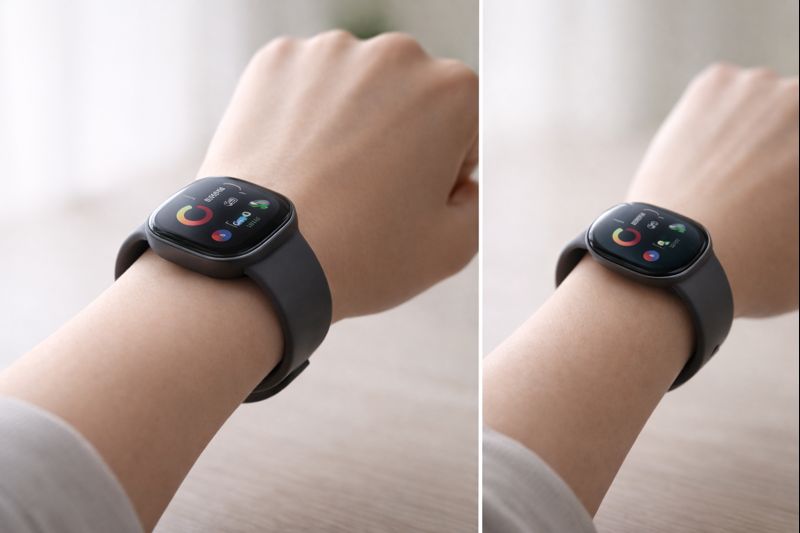
Wearing a fitness tracker correctly? Oh, it’s absolutely pivotal for nailing that heart rate monitoring! The way you place it—yes, that matters—a lot. You see, the effectiveness of capturing data hinges on its positioning. Most trackers deserve to be snugly nestled on your wrist or forearm; it’s like finding their sweet spot! The sensor needs direct skin contact to forge that reliable connection we all crave. If it’s too loose? Well, hello motion artifacts and erratic readings—nobody wants that chaos!
Now here’s an intriguing nugget: placing the device just a couple of inches above the wrist bone can really amp up performance levels! But wait—it gets even better: adjusting the strap’s tightness can have a profound impact on measurement accuracy. Finding that delicate balance is key—you don’t want it squeezing too tightly nor hanging loosely like an afterthought. A periodic fit check during those sweat-dripping workouts becomes essential, especially when you’re pushing through high-intensity bursts.
And let’s not forget—the world of fitness devices isn’t one-size-fits-all! Each gadget might come with its own set of placement guidelines; adhering to these nuggets of wisdom could seriously elevate your heart rate tracking game to new heights!
Identifying Reliable Fitness Tracker Brands
When diving into the world of fitness trackers, one must navigate the intricate web of brand reputation. Think about it: established companies often pour their resources into research and development, striving to ensure that what they churn out is not just flashy but also accurate and dependable. Ah, but don’t overlook the power of user reviews—those nuggets of wisdom from fellow consumers—and expert testimonials; they can unveil a treasure trove of insights regarding how different trackers perform in real life.
Now, let’s talk about a brand’s legacy in wearable tech. It can serve as a beacon—a signal that whispers quality and an unwavering commitment to keeping customers happy. But wait! There’s more to ponder: customer service and warranty policies are crucial players in this decision-making game. Trustworthy brands usually have solid support channels at your disposal, along with transparent warranty terms that shield you from potential pitfalls.
This dedication to customer well-being doesn’t just enhance your ownership experience; it’s like icing on the cake! And while you’re at it, keep your radar tuned for industry awards and certifications—they might point you toward those brands that truly prioritize innovation and heed user feedback. In this ever-evolving landscape of fitness technology, such awareness paves the way for choices steeped in knowledge rather than whimsy!
Key Features to Look For
When diving into the world of fitness trackers boasting heart rate monitoring, there are a few standout features that should absolutely take precedence. First and foremost, real-time heart rate tracking is non-negotiable—this essential function delivers instant glimpses into your cardiovascular performance as you sweat it out during workouts. But don’t stop there; seek out devices loaded with cutting-edge sensors that facilitate continuous heart rate monitoring all day long. This capability isn’t just a nice-to-have—it can illuminate trends over time, empowering users to decode their heart health like never before.
Now, let’s not overlook another crucial element: compatibility with other fitness metrics and applications! A tracker that meshes effortlessly with popular fitness apps opens up a treasure trove of insights about your health and wellness journey. Keep an eye out for those gems that also incorporate sleep tracking, activity logs, and even stress management tools. By weaving together these diverse capabilities, users gain access to rich data narratives—helping them make informed choices about their holistic fitness regimens in ways they might never have imagined!
Understanding Heart Rate Variability
Heart rate variability (HRV)—a captivating metric—unveils the rhythmic dance of time intervals between successive heartbeats. This variable is not merely a number; it’s a reflection of the autonomic nervous system at work, signaling how adeptly our bodies navigate stress and adapt to shifting environments. Picture this: a higher HRV often correlates with robust cardiovascular fitness and resilience, while its lower counterpart can whisper tales of stress and fatigue lurking beneath the surface. Fitness trackers harness this data, unlocking profound insights into an individual’s recovery status and holistic well-being.
But wait—there’s more! Tapping into HRV data can reshape training routines and lifestyle decisions in intriguing ways. Athletes frequently keep a close eye on their HRV, aiming to fine-tune performance by ensuring they recover sufficiently while steering clear of overtraining pitfalls. Moreover, regular monitoring uncovers trends that could signal necessary adjustments in training intensity or methods for managing stress—a vital compass for navigating one’s wellness journey. Embracing the nuances of HRV empowers individuals to craft personalized fitness strategies that elevate overall health management to new heights.
Importance in Overall Fitness Tracking
Heart rate variability (HRV) emerges as a crucial beacon in the intricate landscape of personal fitness and well-being. By delving into the subtle yet telling shifts between heartbeats, HRV unveils the nuanced workings of our autonomic nervous system while casting light on stress levels lurking beneath the surface. Athletes and fervent fitness aficionados eagerly harness this knowledge to sculpt their training plans with precision, aiming for that sweet spot where performance peaks. Grasping the essence of HRV can unveil signs of overtraining like a whisper in the wind, empowering individuals to weave sufficient recovery time into their rigorous routines.
Moreover, heart rate metrics play an indispensable role in chronicling cardiovascular health across time’s relentless march. Keeping a watchful eye on heart rate during diverse activities allows participants to gauge their fitness status, decode exertion zones, and set goals that resonate with their aspirations. This rich tapestry of data arms individuals with insights necessary for making astute choices about exercise habits and lifestyle modifications—ultimately paving the way toward better health outcomes and supercharged physical prowess.
| HRV Measurement Tool | Application | Frequency of Monitoring |
|---|---|---|
| Heart Rate Monitor | Continuous tracking during workouts | Daily |
| Smartwatch | Daily health tracking and notifications | Daily |
| Mobile App | HRV analysis and trends over time | Weekly |
| ECG Device | Clinical assessment of heart health | As needed |
Common Misconceptions About Heart Rate Monitoring
A common belief among many is that heart rate monitors are the epitome of precision, delivering flawless readings with every beat. But hold on—reality paints a different picture! Several factors can throw a wrench in the accuracy of these gadgets. For instance, during those sweat-soaked workouts, movement plays a pivotal role; where you place the device matters too—oh, and let’s not forget about skin type! Each element dances together to influence the recorded heart data. Moreover, the technology and algorithms wielded by various brands create a kaleidoscope of discrepancies in readings. Users often overlook an essential detail: ensuring proper fit and snug contact with their skin is paramount for trustworthy measurements.
Then there’s this pervasive myth that heart rate monitoring caters exclusively to athletes or fitness fanatics engaged in grueling exercises. Sure, athletes might glean valuable insights into their performance metrics—but guess what? Heart rate monitoring holds treasures for everyone at any fitness level! By tracking your beats per minute, you gain crucial glimpses into your cardiovascular health while boosting workout efficiency. Knowing your personal heart rate zones empowers individuals to fine-tune exercise routines tailored to specific goals—a vital resource for anyone eager to elevate their well-being!
Debunking Myths
A myriad of individuals firmly hold the belief that fitness trackers deliver heart rate readings with impeccable precision. Yet, amidst the impressive leaps in technology these devices have taken, a web of factors lurks, ready to skew their accuracy. Movement—oh yes!—the very act of being human; skin tone—the melanin dance upon one’s epidermis; and even temperature—a fickle friend or foe—all can conspire to create discrepancies in those seemingly clear-cut numbers. For users striving for reliable data on their fitness journeys, grasping these influences is not just beneficial—it’s essential.
Then there’s the alluring myth that simply donning these gadgets day after day guarantees flawless heart rate monitoring. Ah, if only it were that simple! While habitual wear does paint a broader canvas of one’s cardiovascular narrative, it doesn’t magically bestow accuracy upon every pulse detected. Users must engage in an ongoing relationship with their devices—vigilance is key! Proper maintenance and snug fit are paramount; knowing when to calibrate or retire the device altogether becomes an art form unto itself. Only then can they hope to unlock the true potential hidden within those flashing screens and buzzing alerts.
Future Trends in Heart Rate Monitoring Technology
The realm of heart rate monitoring technology is in a constant state of flux, with innovations redefining what we thought was possible. Picture this: sleek wearables now boast advanced sensors that go beyond mere numbers, capturing real-time data with an astonishing level of precision. But wait—these sensors are also delving into the depths of our physiology, measuring blood oxygen levels and respiratory rates to paint a vivid picture of our overall health landscape. Enter artificial intelligence—a game changer on this stage! It’s stepping up to analyze heart rate data in ways we’ve only dreamed about, delivering personalized insights and recommendations finely tuned to each individual’s fitness journey.
As the appetite for comprehensive health tracking grows insatiable, we can anticipate future trackers venturing far beyond just counting beats per minute. Imagine them seamlessly integrating with smart home devices and healthcare platforms; it’s not just wishful thinking anymore! This connectivity could pave the way for fluid data-sharing pathways between users and medical professionals, potentially revolutionizing preventive care by sounding alarms when cardiovascular metrics take unexpected turns. Furthermore, enhanced user interfaces combined with captivating app experiences aim to elevate motivation levels sky-high—transforming heart rate tracking into an indispensable element of our daily wellness rituals. The future is here—and it’s pulsating with promise!
Innovations on the Horizon
The landscape of fitness tracking is on the cusp of a breathtaking transformation, propelled by emerging technologies that promise to redefine heart rate monitoring. Imagine wearable devices, not just as simple gadgets but as sophisticated companions equipped with cutting-edge sensors—these marvels do more than merely capture your heart rate; they delve into the intricate dance of blood flow and an array of biometric signals. Enter artificial intelligence: algorithms so astute they’ll predict fluctuations in your heart rate based on everything from high-octane workouts to moments of serene stillness. This technological leap offers users an enriched tapestry woven from their cardiovascular health.
In the realm of photoplethysmography, groundbreaking research is ushering in a new era of precision for heart rate readings. Ingenious algorithms are being crafted to sift through the chaos—filtering out pesky noise and motion artifacts that can skew data integrity. But that’s not all; innovations within materials science hold the key to creating wearables that are not only comfortable but robust enough for extended use without causing irritation or discomfort. As these advancements unfold like chapters in a riveting story, we stand on the brink of unparalleled personalized health insights gleaned from our heart rates—an evolution poised to empower us all.
- Enhanced accuracy in heart rate monitoring through advanced photoplethysmography techniques.
- Integration of artificial intelligence for predictive analytics in cardiovascular health.
- Development of materials that prioritize comfort and durability in wearable devices.
- Real-time insights allowing users to monitor their wellness during various activities.
- Capability to track additional biometric signals for a comprehensive health overview.
- User-friendly interfaces that simplify access to complex data insights.
- Potential for integration with other health monitoring systems for holistic care.
Conclusion
The precision of heart rate monitoring via fitness trackers wields an astonishing influence, not just on the effectiveness of workouts but also on the intricate dance of overall health management. Delving into best practices for these devices—think perfect placement and snug fit—can catapult users’ reading accuracy to new heights. Plus, getting acquainted with trustworthy brands and their standout features can steer consumers toward wise decisions, paving the way for more potent fitness routines.
As technology surges forward at a dizzying pace, we’re bound to witness breakthroughs in heart rate monitoring that elevate both accuracy and user engagement. And let’s not overlook heart rate variability; understanding its role in fitness tracking is crucial for anyone chasing holistic health insights. By shattering prevailing myths and welcoming cutting-edge innovations with open arms, individuals stand poised to unlock the full potential of their fitness trackers as they sprint towards their wellness aspirations.
FAQS
How precise are fitness trackers when it comes to gauging heart rate?
The precision of these nifty gadgets can swing wildly depending on the brand and model you choose. Generally speaking, top-tier fitness trackers deliver heart rate readings that are pretty spot-on, but be mindful—elements like where the device sits on your wrist, variations in skin tone, and even how much you’re moving around can throw a wrench into their accuracy.
What steps can I take to boost my fitness tracker’s heart rate monitoring accuracy?
To crank up that accuracy dial, make sure your device is snugly placed on your wrist—not too tight, not too loose; just right! Also, don’t forget to keep those sensors squeaky clean. Calibration is key if your gadget allows for it—so make sure that’s squared away!
Are there particular brands renowned for their dependable heart rate tracking?
Absolutely! Some brands stand tall above the rest when it comes to reliable heart rate monitoring. Think Garmin, Fitbit, Polar, and Apple. Diving into user reviews and expert insights will help illuminate which one suits your needs best.
Which essential features should I seek out in a fitness tracker aimed at accurate heart rate monitoring?
Keep an eye out for features like optical heart rate sensors (the good stuff), Bluetooth connectivity for seamless data syncing, built-in GPS for tracking outdoor escapades—and don’t overlook a solid companion app that dishes out detailed insights about your heartbeat data.
What exactly is heart rate variability (HRV), and why does it matter in fitness tracking?
Heart Rate Variability refers to the fluctuations in time between successive beats of your ticker—a fascinating indicator of autonomic nervous system health. It sheds light on stress levels and recovery while offering vital clues about overall wellness—a gem of a metric for anyone serious about their fitness journey.
Are there any prevalent myths surrounding heart rate monitoring?
Indeed! There are some widespread misconceptions floating around—like the notion that all fitness trackers nail accuracy every single time or that keeping tabs on your heartbeat only matters during workouts. Truth bomb alert! Many factors come into play affecting precision; plus, consistently tracking throughout the day offers valuable health insights you might not want to miss.
What exciting trends lie ahead in the realm of heart rate monitoring technology?
Brace yourself! Future innovations may unveil super-sophisticated sensor technologies promising enhanced accuracy. Imagine wearables capable of tracking additional health metrics seamlessly integrated with other health systems—all while serving up personalized workout recommendations based on both real-time heartbeat stats and broader health data. Exciting times ahead!