
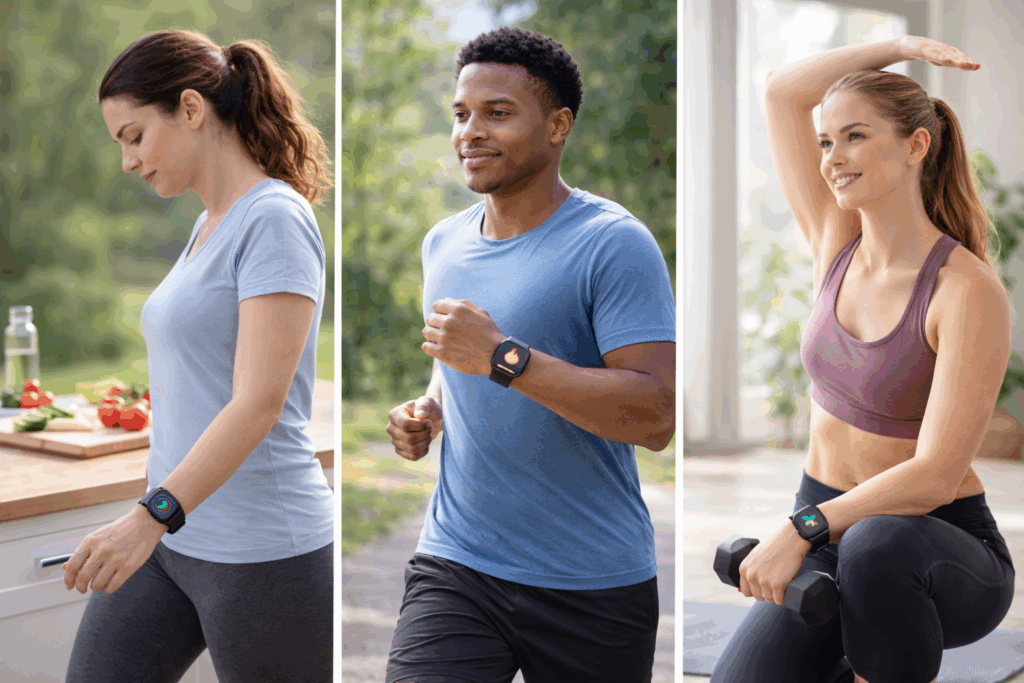
Integrating Fitness Trackers into Your Routine
Fitness trackers—oh, how they revolutionize the way we approach our exercise habits! These little gadgets emerge as pivotal allies in the quest for a steady workout routine. They nudge us to craft specific goals, transforming what might feel like an uphill battle into a manageable part of daily life. Imagine this: real-time progress monitoring at your fingertips! It’s like having a personal cheerleader that keeps your motivation soaring sky-high. With each buzz and beep, these devices help shape habits around their feedback, paving the way for a structured regimen that cultivates enduring commitment to fitness.
Now, let’s not gloss over that initial learning curve; adapting to a fitness tracker can feel like stepping into uncharted territory. To truly unlock its potential, one must dive deep into its myriad features and functionalities—think of it as mastering an intricate puzzle! Setting reminders or carving out designated workout times can weave the tracker seamlessly into your daily rhythm. And don’t underestimate the power of community; engaging with online groups or teaming up with someone who also wields similar tech can amplify accountability while fueling motivation even further.
Tips for Consistent Usage and Motivation

Crafting a steady rhythm with fitness trackers demands the art of setting achievable goals that resonate with one’s unique abilities. Start small—think tiny triumphs woven into your everyday life. This strategy not only cultivates a feeling of success but also sparks an enduring commitment to stay engaged. Perhaps you might aim to gradually ramp up your daily step count, or carve out specific times for workouts; such structured methods can slip effortlessly into the fabric of your routine.
But wait! There’s more—the power of social support looms large in bolstering motivation and sticking to those fitness plans. Whether it’s rallying together face-to-face or tapping into online communities, this camaraderie creates accountability like no other. Sharing your journey—those ups and downs, victories big and small—with others can reignite your dedication in unexpected ways. And don’t overlook those nifty features on fitness tracker apps that foster group challenges or allow friendly comparisons; they inject an invigorating blend of competition and encouragement into your quest for health!
| Goal Setting Strategy | Description | Benefits |
|---|---|---|
| Start Small | Aim for achievable goals, such as increasing daily step count. | Builds confidence and creates sustainable habits. |
| Structured Workouts | Designate specific times for workouts within your daily schedule. | Integrates fitness seamlessly into daily life. |
| Social Support | Involve friends or engage with online fitness communities. | Enhances accountability and motivation through shared experiences. |
| Group Challenges | Participate in challenges offered by fitness tracker apps. | Increases engagement and motivates through friendly competition. |
Data Tracking and Analysis
Fitness trackers, those nifty little gadgets, are bursting with a treasure trove of data that can catapult one’s weight loss journey to new heights. Imagine this: users get to keep tabs on an array of metrics—daily steps taken, heart rate fluctuations, calories torched, and even the elusive quality of sleep. This mosaic of information paints a vivid picture of activity levels and overall physical health. By tapping into this wealth of data, individuals can unearth patterns and behaviors that either propel them forward or hold them back from their weight loss aspirations.
Diving deep into the analytics provided by these fitness companions empowers savvy decision-making when it comes to wellness strategies. Users can carve out specific, measurable goals rooted in their tracked performance history. Picture this: someone discovers they incinerate more calories on days filled with high-octane workouts compared to those languid hours spent lounging around. Such revelations pave the way for a meticulously crafted fitness regimen aimed at optimizing fat-burning endeavors. Plus, the continuous tracking opens doors for regular check-ins; ensuring progress aligns harmoniously with personal ambitions while making it all too easy to pop some confetti and celebrate milestones along the winding road!
Understanding Metrics to Measure Progress
Fitness trackers, those little gadgets packed with potential, unveil a treasure trove of data—data that can dramatically illuminate the path of one’s weight loss odyssey. Imagine diving into daily step counts, active minutes logged in like trophies on a shelf, and calories torched along the way. These numbers serve as both compass and map for anyone eager to chart their course toward clear baseline goals. But wait! Some devices come equipped with high-tech bells and whistles: heart rate monitoring that beats with every pulse and sleep tracking that uncovers the mysteries of nightly rest—all adding layers to our understanding of how workout regimens mesh with lifestyle choices.
Grasping these metrics isn’t just useful; it’s downright crucial for steering adjustments in exercise routines and dietary decisions alike. As you track fluctuations over time, trends emerge like constellations in a night sky, revealing whether your weight loss strategy is hitting its mark or veering off course. Regularly scrutinizing this data fosters accountability—a gentle nudge—or perhaps a firm shove—keeping users anchored to their aspirations. By honing in on specific metrics, individuals craft actionable targets that not only rev up their fitness game but also lay down the groundwork for lasting weight loss triumphs.
Combining Fitness Trackers with Diet
Fitness trackers, those nifty gadgets we often strap to our wrists, are more than mere monitors of our daily activity—they’re like personal coaches for our diets too! Imagine this: by diligently logging your caloric intake alongside your workout escapades, you unlock a panoramic view of your weight loss journey. Many of these devices offer the ability to input meals, track macronutrients—yes, the carbs and proteins—and juxtapose your eating habits with physical exertion. A revelation happens when discrepancies between what you consume and what you burn come into sharp focus; suddenly, informed dietary choices don’t seem so daunting.
Now let’s talk about motivation and accountability—the dynamic duo that can supercharge any fitness plan! By setting specific dietary targets—like slashing sugar or amping up protein—you’re not just chasing numbers on a scale; you’re aligning your nutrition with those lofty weight loss aspirations. Some trackers even go as far as offering bespoke recommendations tailored to fit your unique tastes and goals—a personalized roadmap through the labyrinth of exercise and eating. This harmonious blend fosters healthier habits that aren’t merely fleeting trends but sustainable lifestyle changes designed to stick around for the long haul.
How Nutritional Tracking Complements Exercise
Monitoring dietary intake can dramatically amplify weight loss endeavors, especially when harmonized with a consistent exercise regimen. Imagine fitness trackers—those nifty gadgets that blend nutritional logging with physical activity metrics—offering users an all-encompassing glimpse into their well-being. By meticulously documenting calorie intake alongside workouts, individuals unearth profound insights into the intricate dance between food choices and energy balance. This multifaceted strategy empowers informed decisions that sync perfectly with personal fitness aspirations.
Delving into macronutrient distribution is crucial for fine-tuning weight loss tactics. Numerous fitness trackers make it a breeze to log carbohydrates, proteins, and fats, granting users the ability to customize their diets in support of their workout schedules. Dissecting this data reveals which foods serve as performance boosters or stumbling blocks on the path to progress. With astute nutritional planning at play, individuals can fully harness the advantages of their exercise routines, paving the way for more fruitful weight management results.
Overcoming Challenges with Fitness Trackers
Diving into the world of fitness trackers can often feel like navigating a labyrinth of hurdles that threaten to derail their intended purpose. Picture this: users grappling with device inaccuracies, connectivity glitches that pop up at the most inconvenient times, or deciphering an interface that seems designed for rocket scientists rather than everyday folks. The result? A spiral of frustration fueled by data that’s just plain wrong—leading many to toss aside their gadgets in despair. And let’s not forget those who find themselves buried under an avalanche of information, leaving them gasping for clarity amidst the chaos instead of laser-focused on tangible fitness goals.
But fear not! There are ways to untangle these knots. Users would do well to immerse themselves in the unique features and quirks of their devices—think reading manuals or diving into instructional videos as if they were treasure maps leading to hidden gems of usability. Engaging with online communities or forums can be a lifeline, offering camaraderie and practical tips for sidestepping common blunders. By taking a proactive stance against these challenges, individuals can unlock the full potential of their fitness trackers and keep that motivational flame burning bright on their weight loss journey!
Common Issues and Solutions
Users frequently stumble upon the perplexing challenge of syncing their fitness trackers to apps or devices—a conundrum that can lead to incomplete data capture, thus undermining one of the core advantages these gadgets promise. To untangle such syncing snafus, it’s crucial to ensure that both the tracker and its companion app are updated to their latest iterations. Moreover, diving into connectivity settings—like double-checking Bluetooth permissions and network access—can work wonders in re-establishing a smooth connection between your tech companions.
But wait! There’s more. Another prevalent predicament arises from discomfort during workouts or daily wear. Many users voice complaints about chafing or irritation on their wrists, which could dissuade even the most dedicated fitness enthusiasts from regular use. Choosing the right size and style for the device is key; it can dramatically enhance comfort levels. Lean towards adjustable bands or softer materials—they might just be game-changers! And let’s not forget: incorporating occasional breaks where you remove the device can significantly reduce discomfort while also fostering better skin health and prolonging your trusty tracker’s lifespan.
- Regularly update both your fitness tracker and the companion app to the latest versions.
- Ensure Bluetooth is enabled and permissions are granted for seamless syncing.
- Adjust the device’s fit to minimize chafing or irritation during workouts.
- Consider using adjustable bands or those made of softer materials for increased comfort.
- Take breaks from wearing the device to promote skin health and comfort.
- Clean the tracker regularly to prevent buildup that can cause irritation.
- Review user manuals or online resources for specific troubleshooting steps related to your device.
Future Trends in Fitness Tracking Technology
The realm of fitness tracking technology is in a state of constant flux, propelled by leaps in wearable gadgets and intricate algorithms. Picture this: artificial intelligence and machine learning weaving their magic into fitness trackers, delivering feedback that’s not just personalized but almost intuitive. These cutting-edge technologies sift through mountains of user data to craft bespoke workout regimens and dietary guidance—transforming the entire weight loss landscape into something far more potent.
But wait, there’s more! Wearable devices are stepping up their game, now adept at keeping tabs on an array of biometric signals like heart rate variability, sleep cycles, and even those sneaky stress levels. This ushers in a richer tapestry for users seeking a comprehensive view of their health and fitness journey.
And as if that weren’t enough excitement for one paragraph—the trend toward integrating health metrics from diverse platforms is gathering steam! Users can now unify their fitness odyssey within a single interface; it’s like having all your eggs perfectly organized in one basket! This seamless connectivity allows for effortless tracking across workouts, nutrition plans, and recovery periods—all contributing to smarter decision-making fueled by holistic insights.
Then there’s the social aspect—a vibrant wave sweeping through the community where engagement flourishes alongside friendly competition among users. These fresh innovations don’t merely spark motivation; they also weave accountability tightly into the fabric of achieving those elusive weight loss aspirations. The future has never looked so invigorating!
Innovations that Enhance Weight Loss Tracking
Recent leaps in the realm of fitness tracker technology have birthed a plethora of features that radically amplify weight loss monitoring. Picture this: many devices now boast cutting-edge sensors, delivering real-time feedback on an array of biometric data—think heart rate variability and oxygen saturation swirling together in a symphony of insights. Users are empowered to delve deeper into their physical states, not just during those intense workouts but throughout the ebb and flow of daily life.
But wait, there’s more! Algorithms that scrutinize user behavior can whip up personalized recommendations for exercise and rest like a master chef crafting a bespoke meal plan, ushering in an approach to weight loss that’s as unique as each individual.
And then there’s artificial intelligence—a game changer! It has revolutionized how these smart trackers sift through mountains of user data. Tapping into machine learning capabilities enables them to predict workout outcomes with uncanny precision while suggesting optimal training regimens tailored to specific performance metrics. Enhanced connectivity with mobile apps weaves together dietary habits tracking seamlessly; users find it easier than ever to maintain a panoramic view of their health journey.
This cocktail of technological marvels fosters not just engagement but creates a supportive ecosystem that ultimately propels more effective weight loss endeavors forward.
Conclusion
Weaving fitness trackers into the fabric of our daily lives can dramatically amplify weight loss endeavors, offering up a treasure trove of insights and motivation. These ingenious gadgets don’t merely keep tabs on physical activity; they also nudge us toward consistency with timely reminders and goal-setting features that spark determination. By harnessing technology, users find themselves more accountable, armed with the knowledge to navigate their unique fitness landscapes.
Marrying fitness tracking with dietary oversight unveils a comprehensive strategy for tackling weight management head-on. The interplay of data from both realms empowers individuals to fine-tune their habits with remarkable precision. As technological advances unfold like an intricate tapestry, the potential for these devices to morph and provide even more personalized support in the quest for weight loss grows ever brighter—and we can only imagine what lies ahead!
FAQS
How can fitness trackers aid in shedding those extra pounds?
Ah, the allure of fitness trackers! These nifty gadgets play a pivotal role in weight loss by keeping tabs on your physical activity, heart rate, and calories burned. They serve as both accountability partners and motivation boosters on the winding road of your fitness journey.
What features should I seek out in a fitness tracker for weight loss?
When diving into the sea of options for a weight-loss-friendly fitness tracker, keep an eye out for essential features like heart rate monitoring, step counting galore, GPS tracking to guide your way, sleep analysis to understand those z’s you catch at night, and seamless syncing with nutritional apps—because who doesn’t want a holistic view of their health?
Do I need to alter my diet while using a fitness tracker?
While employing a trusty fitness tracker can supercharge your workout game, it’s absolutely vital to pair it with a nutritious diet if you truly aim for effective weight loss. Tracking what goes into your body alongside how much you move creates that dynamic duo needed to crush those goals!
How can I keep my motivation high when using my fitness tracker regularly?
To sustain that spark of motivation over time, set achievable milestones that’ll stretch yet not break you. Dive into the app’s community features where camaraderie thrives; join challenges that ignite friendly competition! Regularly reviewing your progress is key too. Build routines around this tech marvel and tie its use directly to personal aspirations—it’ll work wonders for sticking with it!
What are some common hiccups with fitness trackers and how do I tackle them?
Ah yes—the pesky issues often encountered! Think inaccurate readings or frustrating syncing woes along with battery life dilemmas. Tackle these nuisances by ensuring proper calibration first off; don’t overlook regular updates or charging rituals either. And remember—if troubles persist like an unwelcome guest at dinner—turning to the manufacturer’s support might just unveil solutions worth exploring!