
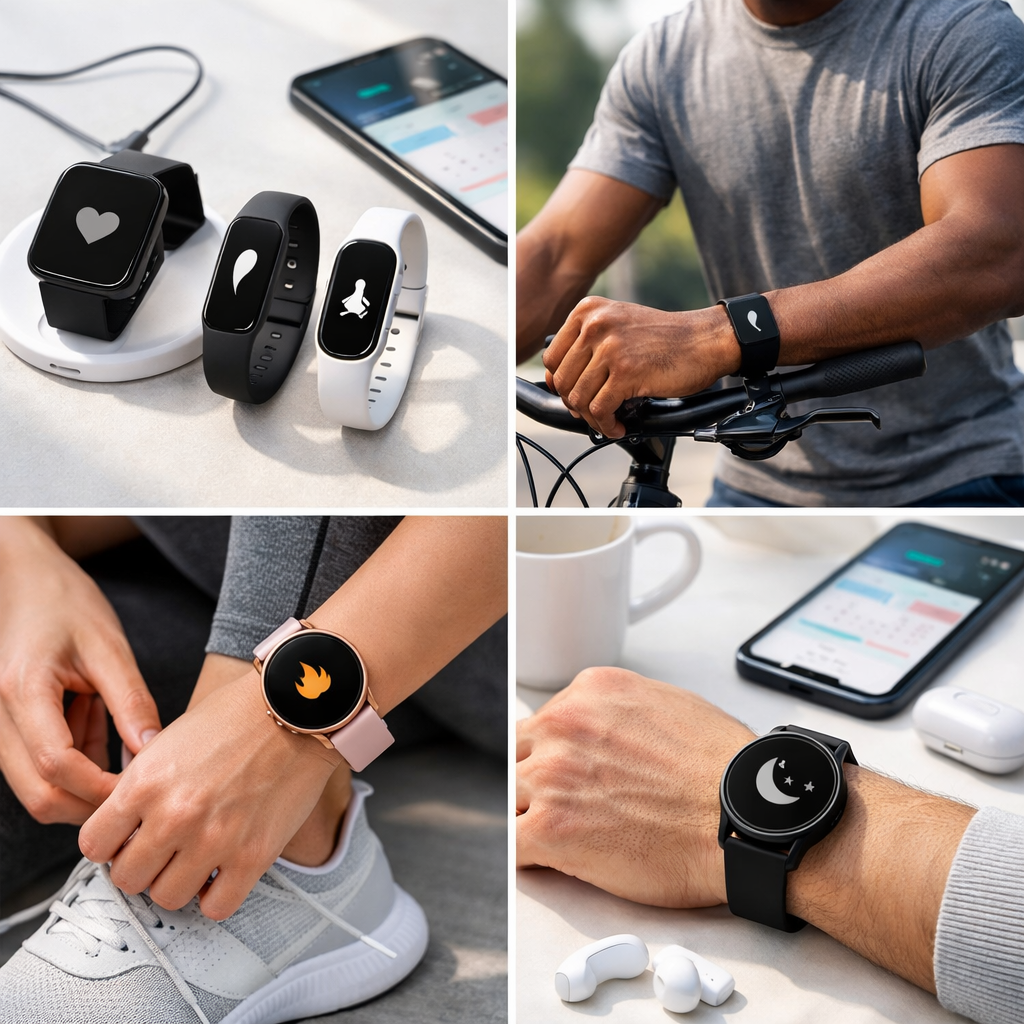
Regular Software Updates
Keeping your devices up to date is absolutely essential—think of it as a lifeline for their performance and battery efficiency. Manufacturers, in their ongoing quest for excellence, roll out software updates with remarkable frequency. These updates aren’t just minor tweaks; they come packed with bug fixes, performance boosts, and shiny new features that can dramatically optimize how the device uses its battery juice. By diligently updating the software on a fitness tracker, users unlock the potential of these enhancements, ultimately stretching out the time between charges like magic.
On the flip side of this coin lies neglect—a perilous choice! Ignoring those vital software updates could spell doom for functionality and lead to an ever-dwindling battery life over time. Running an outdated version might mean missing out on energy-saving capabilities or optimizations introduced in newer releases. Thus, if one fails to keep pace with regular updates, not only does it tarnish user experience but also risks shortening the lifespan of the device itself! It’s crucial—nay imperative—that users make it a priority to keep their fitness trackers fresh and current!
Importance of Keeping Your Device Updated
Regular software updates are absolutely pivotal in fine-tuning the performance of fitness trackers. Manufacturers, ever vigilant, routinely roll out these updates—like clockwork—to squash bugs, boost functionality, and elevate the overall user experience to new heights. But wait! These updates don’t just sprinkle in shiny new features; they also ensure that your device runs at peak efficiency, which is a game changer for battery management. Neglecting these crucial updates? That’s a slippery slope toward diminished performance over time—a slow fade into mediocrity that can sap your device’s capabilities and longevity.
But there’s more! Updates often come packed with enhancements crafted specifically to stretch battery life further than you thought possible. Developers pour their hearts and minds into refining algorithms and tweaking settings that directly impact power consumption—it’s like an art form! By keeping your device updated, you’re not just staying current; you’re reaping the benefits of these innovations while minimizing unnecessary battery drain during those everyday escapades. Embracing this proactive strategy isn’t just wise—it protects your investment in technology, empowering you to revel in all the robust features of your fitness tracker without skipping a beat!
Choosing the Right Fitness Tracker
Choosing the right fitness tracker is pivotal—not just for optimizing battery life but also for catering to your unique needs. The landscape of these devices is a kaleidoscope of features, each with its own influence on energy consumption. Take, for example, trackers that limit themselves to mere step counting; they typically sip power gently compared to their more feature-rich counterparts boasting GPS capabilities, heart rate monitors, and various sensors galore. So before you plunge into a purchase, pause and ponder: what functionalities are non-negotiable for your fitness ambitions? And how do those choices sway the delicate balance of battery endurance?
Moreover, diving into the labyrinth of battery specifications from manufacturers is essential. Some claim impressive multi-day or even multi-week longevity; however, real-world performance can dance unpredictably based on how you use it day-to-day. It’s wise to scrutinize user reviews and expert insights about battery stamina in everyday scenarios—this intel can be invaluable! And don’t overlook compatibility with charging options—consider how often you’ll need to plug it in relative to your personal usage patterns.
Features to Consider for Better Battery Life
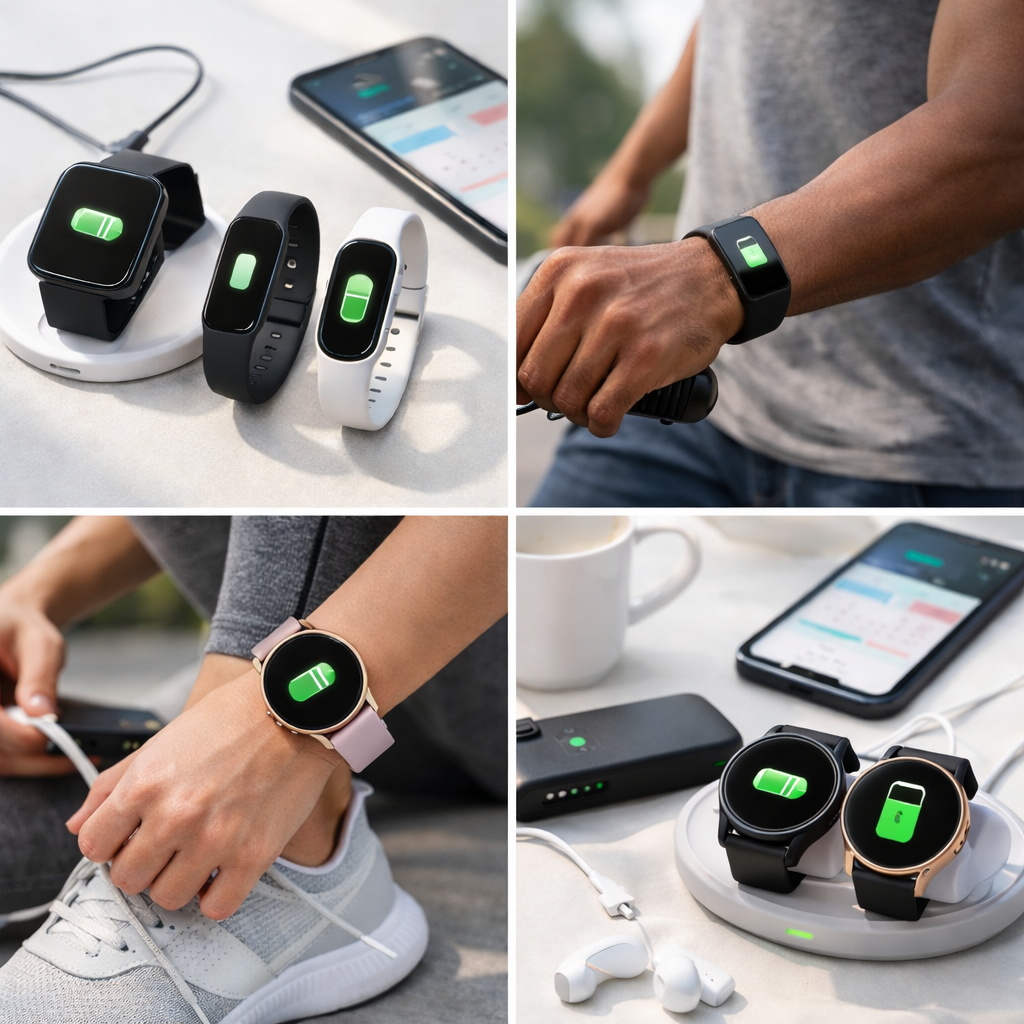
When you’re on the hunt for a fitness tracker, keep in mind that certain features can dramatically stretch that precious battery life. Devices boasting simple displays, like those monochrome screens reminiscent of yesteryear, typically sip less power compared to their flashy color counterparts. And hey—trackers with adjustable brightness settings? They’re your best friend! You’ll be able to strike a balance between clarity and conserving juice.
Don’t overlook customizable tracking frequencies and notification options; trimming down alerts and data sync frequency can lead to a noticeable uptick in how long you go before needing to plug back into the wall.
Now let’s talk power-saving modes—they’re not just fancy jargon! Many contemporary fitness trackers come packed with these nifty features that smartly dial down performance during those lazy stretches when you’re not moving much. And if you’re someone who finds themselves pressed for time (who isn’t?), consider devices equipped with fast charging technology—it’s like giving your gadget a quick caffeine boost during mini breaks!
Lastly, prioritize trackers armed with efficient sensors and sophisticated algorithms. This combination doesn’t just enhance functionality; it also helps ensure that you won’t be tethered to a charger every few hours while still keeping up with all your activity goals. So choose wisely—and may your battery life flourish!
| Feature | Description | Impact on Battery Life |
|---|---|---|
| Display Type | Monochrome vs. Color Displays | Monochrome displays consume significantly less power |
| Adjustable Brightness | Settings that allow users to control screen brightness | Lower brightness extends battery life |
| Custom Tracking Frequencies | Adjusting how often data is collected | Reduces energy consumption by minimizing data sync |
| Power-Saving Modes | Features that reduce performance during inactivity | Significantly increases battery longevity |
| Fast Charging Technology | Quickly charges the device to save time | Reduces downtime, ensuring readiness |
Charging Techniques for Longevity
To keep that precious battery humming along in peak condition, you must embrace some savvy charging habits. First off, resist the urge to let your battery plummet to a dismal zero before plugging it in. Instead, target that sweet spot—around 20-30%—for recharging. This clever tactic wards off those deep discharges that can sap away its lifespan like a thief in the night. Plus, always use the charger that came with your device or one that’s certified; stepping outside this realm can spell disaster thanks to mismatched voltage and current levels.
But wait! There’s more to this electrifying saga: once your battery hits full capacity, don’t just leave it tethered to the charger indefinitely. Overcharging is like inviting overheating over for tea—a sure way to shorten your battery’s life expectancy. When you’re charging overnight, consider activating features like battery-saving modes—they’re brilliant little helpers for managing energy consumption efficiently! And don’t forget about those charging contacts; keeping them clean and free from grime ensures a smooth connection during each charge session.
Best Practices for Maintaining Battery Health
To truly safeguard the vitality of your battery, embracing steadfast charging habits is absolutely crucial. Don’t let that fitness tracker slip into the abyss of a completely drained battery on a routine basis! Instead, strive to plug it in when those power levels start flirting with 20% or 30%. This small yet mighty shift not only alleviates stress on the battery but also champions the longevity of your trusty device. And here’s a golden nugget: always utilize the charger that came packaged with your gadget. Those off-brand chargers? They might not deliver just the right voltage and could spell disaster for your device over time.
But wait, there’s more! Vigilance in monitoring and tweaking settings that gobble up battery life is equally essential. Features like GPS tracking, heart rate monitoring, and constant notifications can swiftly siphon away power—like gremlins in the night! So why not disable or temper these functionalities when they’re not needed? You’ll be amazed at how much longer your battery lasts if you do! Regularly assessing app settings—think sync frequency and display brightness—is another pivotal tactic in this energy-saving crusade. By weaving these strategies into your routine, you can keep that fitness tracker ticking along far beyond its expected lifespan!
Environmental Factors Influencing Battery Life
The performance and lifespan of fitness tracker batteries can be profoundly swayed by the whims of environmental conditions. Picture this: extreme temperatures, whether scorching hot or frigidly cold, wreak havoc on battery chemistry and efficiency. When basking in intense heat, these batteries may drain at an alarming rate—it’s as if the very metabolic processes inside the device are turbocharged! On the flip side, when they find themselves in bone-chilling cold, their performance becomes sluggish—a lethargic dance that reduces operational range and leads to erratic readings along with a swift demise of battery life.
But wait, there’s more! Humidity enters the equation like an uninvited guest at a party. Elevated humidity levels can cause condensation to form within the device’s innards—talk about a recipe for disaster! This moisture could spark short circuits or other perilous damage. If left unchecked for too long, it threatens not just the battery’s health but also jeopardizes the entire device’s longevity. To keep your trusty fitness tracker humming along smoothly and delivering reliable data over time, it’s essential to stow it away from extreme weather conditions whenever possible—your workouts depend on it!
How Temperature and Humidity Affect Performance
The performance and lifespan of fitness tracker batteries dance precariously on the edges of temperature and humidity. Picture this: extreme heat or bone-chilling cold can throw a wrench into their efficiency. When temperatures soar, it’s as if the battery is racing toward its demise—degrading at an alarming rate. On the flip side, frigid conditions? They stifle the battery’s ability to hold onto that precious charge like a secret too good to share. And let’s not overlook those sneaky temperature swings! They can stress out internal components, setting the stage for potential malfunctions down the road.
Now, enter humidity—a critical player in this drama. Too much moisture lurking around? It could spell disaster by corroding delicate electronic parts and inviting electrical shorts to crash the party. Conversely, low humidity brings about dryness that hampers those vital chemical reactions within the battery itself. So here’s a tip for all you fitness trackers out there: keep an eye on your surroundings! Nurturing moderate temperatures and balanced humidity isn’t just smart—it’s essential for extending battery life and ensuring everything runs smoothly in your gadget-filled world.
Top Fitness Trackers with Long Battery Life
In the bustling landscape of fitness technology, a plethora of trackers emerge, each crafted with an eye toward longevity between charges. Take the Garmin Forerunner series, for instance—these powerhouses boast astonishing battery life that can stretch up to two weeks under typical usage. Imagine the freedom! Users can dive into their outdoor escapades without that nagging worry about finding an outlet or scrambling for a charger.
Then there’s the Fitbit Charge series, which doesn’t fall short either; it offers a robust seven days of battery endurance while packing in an impressive array of features—heart rate monitoring, sleep tracking, workout stats—the whole shebang!
And let’s not overlook the Amazfit Bip U Pro—a true gem in this realm! This device promises an exhilarating nine-day lifespan on just one charge. It merges stellar efficiency with essential functionality and serves up vital metrics without those pesky interruptions for recharging sessions. Plus, it comes equipped with built-in GPS capabilities to ensure your outdoor adventures are logged accurately.
These remarkable gadgets vividly illustrate how far battery technology has advanced within fitness trackers—a boon for those spirited individuals who crave both reliability and resilience in their wearable companions!
A Review of Devices That Outlast the Competition
When it comes to hunting down fitness trackers that flaunt jaw-dropping battery life, a handful of devices truly shine like stars in the night sky. Take the Garmin Forerunner series, for instance—specifically the Forerunner 245. This gem garners rave reviews for its powerhouse battery performance, delivering an astonishing seven days on just one charge! Not only does it pack in a treasure trove of fitness tracking capabilities—think GPS and heart rate monitoring—but it also keeps you in the loop without those pesky recharging breaks interrupting your groove.
Then there’s the Fitbit Charge 5—a contender that doesn’t shy away from impressive stats either, boasting a similar seven-day battery life. It strikes a fine balance between everyday health monitoring features and endurance, making it an ideal pick for anyone who values both functionality and longevity without compromise.
Let’s not overlook Samsung’s Galaxy Watch 5—it’s made waves with its remarkable battery efficiency too! Under standard settings, this smartwatch can stretch up to 40 hours of use. Its diverse functionalities—including sleep tracking and detailed activity logging—manage to coexist harmoniously with substantial power reserves; no sacrifices here!
And if your budget is tight but your expectations are high? Enter the Amazfit Bip U Pro! This budget-friendly wonder dazzles with an incredible nine-day battery life, securing its place as a go-to choice among savvy shoppers looking for bang-for-their-buck options. Each gadget stands as a testament to leaps forward in battery tech and design prowess—all tailored to meet the demands of fitness aficionados who crave durability coupled with top-notch performance!
- The Garmin Forerunner 245 offers seven days of battery life, making it ideal for consistent fitness tracking.
- The Fitbit Charge 5 also provides a battery life of seven days, delivering a balance of health monitoring and functionality.
- Samsung’s Galaxy Watch 5 stands out with up to 40 hours of battery use under standard settings, combining efficiency with diverse features.
- The Amazfit Bip U Pro offers an impressive nine-day battery life, catering to budget-conscious consumers without compromising on quality.
- Each device demonstrates significant advancements in battery technology and design, supporting the needs of active lifestyles.
- These fitness trackers minimize the inconvenience of frequent recharging, allowing users to focus on their health goals.
- Selecting a device with exceptional battery performance can enhance the overall user experience significantly.
Conclusion
Keeping the battery life of fitness trackers in tip-top shape is like unlocking a treasure chest of functionality and durability. Picture this: regular software updates, like a magic spell, ensuring your devices run at their absolute best. And let’s not forget the artful selection of features when you’re shopping—choosing wisely here can be the secret to longer-lasting battery performance! Oh, and those savvy charging techniques? They work wonders! Plus, being aware of environmental conditions is another layer in this intricate dance that helps sustain battery health.
In a world where consumers are increasingly obsessed with tracking health and fitness, finding gadgets celebrated for their impressive battery longevity becomes ever more crucial. The crème de la crème of fitness trackers melds resilience with cutting-edge features—perfectly tailored for users who crave dependable devices as they navigate through their bustling daily lives. By putting a premium on battery longevity, you’re not just enhancing your device’s lifespan; you’re elevating the entire user experience with these indispensable companions!
FAQS
How often should I update my fitness tracker’s software?
Picture this: a sleek little device on your wrist, buzzing with potential. To keep it humming at peak performance and unlock shiny new features, aim to check for updates regularly—once a month is the sweet spot!
Which features should I look for in a fitness tracker to maximize battery life?
When hunting for that perfect companion, think about GPS capabilities, heart rate monitoring prowess, and those nifty screen brightness options. Seek out trackers equipped with savvy sensors and customizable settings—they’re your allies in the quest to stretch that precious battery life.
What are some best practices for charging my fitness tracker?
Ah, the delicate dance of charging! To preserve that battery’s vitality, resist the urge to drain it completely before plugging in. Stick with the recommended charger like it’s an old friend and don’t forget to unplug once it hits full charge—think of it as giving your device a well-deserved break.
How do environmental factors affect my fitness tracker’s battery life?
Imagine extreme temperatures or sweltering humidity playing havoc with your gadget! Such conditions can wreak havoc on battery performance. For optimal functioning, cradle your tracker within the cozy confines of its manufacturer-specified temperature range.
Can I extend the battery life of my fitness tracker without compromising its functionality?
Absolutely! You can be both clever and practical by tapping into power-saving modes, shortening screen timeout like you mean business, and trimming notifications down to just what matters most—keeping functionality intact while preserving energy elegance!