
Compatibility with Fitness Apps
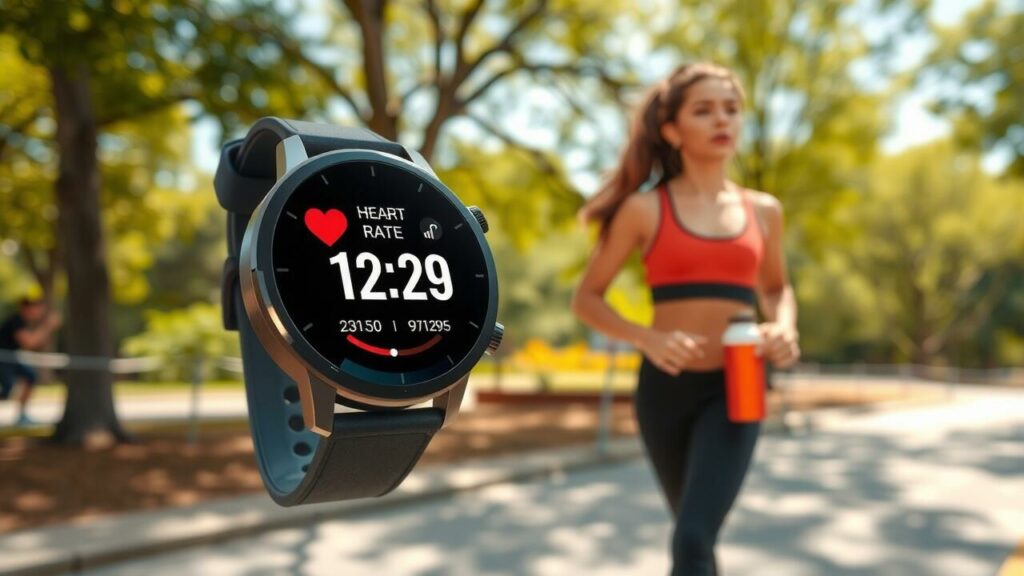
When diving into the world of smartwatches for fitness, one must consider a labyrinth of factors—chief among them, the all-important compatibility with an array of fitness applications. Picture this: countless users leaning heavily on well-known apps to track their workouts, keep an eye on nutrition, and unearth insights into their overall health. A smartwatch that effortlessly melds with these digital companions transforms the user experience into something far more fluid and enjoyable. This integration is key; it allows individuals to squeeze every ounce of benefit from their exercise routines without being bogged down by pesky technical glitches or frustrating data transfer snafus.
Brands often flaunt collaborations with leading fitness app developers—these partnerships can sway a consumer’s choice dramatically. Imagine features like real-time data syncing propelling you forward, personalized workout plans tailored just for you, and a treasure trove of health metrics at your fingertips—all designed to boost engagement and spur you toward progress. By ensuring that your smartwatch plays nice with your favorite fitness apps, you’re not just enhancing convenience; you’re amplifying the effectiveness of your entire regimen while making it smoother than ever to chase after those personal goals!
Integration with Popular Health Apps and Ecosystems

Choosing a smartwatch? Ah, the journey begins! One crucial aspect to ponder is whether it plays nicely with those popular health apps that can truly elevate your fitness game. Many of these sleek devices glide effortlessly into sync with platforms like Apple Health, Google Fit, and Fitbit—oh yes!—gathering all your health data in one neat little hub. This harmonious fusion makes it oh-so-simple to keep tabs on essential metrics: heart rate soaring or dipping, daily step counts ticking upward (or not), those elusive sleep patterns whispering secrets of restfulness, and even nutrition tracking—all painting a vivid picture of your wellness odyssey.
But wait—there’s more! Some smartwatches go above and beyond by linking up with third-party applications tailored for specific fitness aspirations. Whether you’re pumping iron in weight training sessions, finding zen through yoga flows, or sprinting toward personal bests while running—you’ve got options galore! This adaptability empowers users to tailor their workout experiences uniquely while tapping into rich analytics that illuminate the path forward on their progress journey. The beauty lies in this integration; an ecosystem where hardware meets software creates a symphony of functionality—a seamless user experience that transforms fitness tracking from mere numbers into something profoundly cohesive and inspiring.
Battery Life Considerations
When diving into the world of smartwatches for fitness tracking, battery life emerges as a pivotal factor—one that can twist and turn through a labyrinth of choices. Devices vary wildly in their stamina, influenced by how you plan to use them: will it be GPS tracking leading the charge? Heart rate monitoring keeping you on your toes? Or perhaps you’re inundated with notifications buzzing at every glance? A smartwatch brimming with features often guzzles power like an athlete at a water station, necessitating those all-too-frequent pit stops for recharging. It’s crucial for users to ponder how well a device’s battery performance aligns with their everyday rhythms and workout regimens.
Yet, fear not! Many models are crafted with extended battery life in mind—a lifeline for those marathon workouts or weekend adventures where charging isn’t just inconvenient; it’s downright impractical. Look out for smartwatches boasting clever power-saving modes—these gems allow users to stretch that precious battery life when the situation demands it. Plus, delving into how display types and extra bells and whistles impact battery drain can arm you with insights that lead to more informed purchasing decisions—each tailored precisely to meet your unique fitness aspirations.
How Long Can You Expect Your Smartwatch to Last?
Ah, the enigma of battery life! It looms large over the realm of smartwatches, casting shadows on usability and reliability. In this intricate dance of technology, various models prance about with their own unique lifespans—some might waltz for a mere day, while others can serenade you for weeks on end with just one charge. But beware! Those enticing fitness features—heart rate monitoring that keeps tabs on your pulse, GPS tracking guiding your every move, and relentless activity logging—can conspire to drain that precious battery juice at an alarming rate. So grasping how frequently you’ll need to plug in becomes paramount when hunting for a model tailored to your fitness aspirations.
Yet there’s more lurking beneath the surface: think about those software updates! They flutter into existence like butterflies but can bring both enhancements and increased power demands. As manufacturers roll out these digital refreshes to improve functionality, they often unknowingly invite greater energy consumption into the mix. This makes it crucial to balance these considerations against what you envision doing with your smartwatch. Opting for a gadget equipped with savvy power-saving modes and hardware designed for efficiency could dramatically prolong its operational lifespan—a treasure trove of value that ensures you’re consistently keeping pace with all your fitness endeavors without interruption!
Waterproof and Durability Ratings
When it comes to diving into the world of smartwatches, particularly for those who thrive in active lifestyles or revel in outdoor escapades, evaluating waterproof and durability ratings is nothing short of crucial. Picture this: fitness aficionados caught in unexpected downpours, drenched with sweat, or even plunging into bodies of water. Smartwatches flaunt an array of IP (Ingress Protection) ratings—these nifty little designations tell you just how well a device can fend off dust and moisture. A watch boasting an IP68 rating? That’s your steadfast companion ready to be submerged for lengthy stretches! However, don’t be fooled by lower numbers; they might only endure fleeting splashes before waving the white flag. Grasping these ratings arms users with the knowledge needed to choose a smartwatch that aligns seamlessly with their workout routines and the whims of Mother Nature.
But wait—durability isn’t merely about resisting H2O; oh no! It encompasses a kaleidoscope of elements like build quality and material makeup. Think smartwatches crafted from top-tier materials—sapphire crystal here, rugged polyurethane there—these beauties usually stand guard against scratches and knocks much more valiantly than their lesser counterparts. And then we have fitness devices engineered for adrenaline junkies that often meet military-grade standards—a nod to their resilience against chaotic conditions! Thus, savvy consumers should weigh all these factors while keeping their personal preferences at heart especially if they’re engaging in sports where rough treatment on gear is par for the course.
Choosing a Smartwatch That Withstands the Elements
When diving into the world of smartwatches tailored for outdoor escapades, one must meticulously scrutinize the waterproof and durability ratings. Picture this: fitness aficionados braving downpours, battling sweat, or even plunging headfirst into aquatic depths during their vigorous routines. A smartwatch boasting a stellar waterproof rating—think IP68 or WR100—offers that sweet assurance; it can withstand whatever nature throws its way without batting an eye. And let’s not overlook those rugged materials gracing these gadgets! Reinforced glass and stainless steel? They’re like armor against the chaos of impacts and scratches.
But wait, there’s more to ponder! The operational temperature ranges and dust resistance are crucial as well. You want a model that thrives in extremes—a trusty companion whether you’re trekking under the blazing summer sun or sprinting through winter’s icy grip. Some brands go all out in marketing their smartwatches as ultimate sidekicks for adventurers, packing on additional protective layers and beefed-up sensors designed specifically for high-octane activities. By weighing these elements carefully, you’ll not only elevate your training game but also extend your device’s lifespan amidst all your thrilling exploits!
| Smartwatch Model | Waterproof Rating | Durability Features | Temperature Range | Dust Resistance |
|---|---|---|---|---|
| Garmin Fenix 6 | IP68 | Stainless steel bezel, reinforced glass | -20°C to 50°C | Yes |
| Suunto 9 Baro | WR100 | Composite case, sapphire crystal | -20°C to 40°C | Yes |
| Apple Watch Ultra | WR100 | Titanium case, sapphire crystal | -20°C to 55°C | Yes |
| Polar Grit X | IP68 | Fiberglass-reinforced polymer case | -10°C to 50°C | Yes |
Cost vs. Feature Analysis
When diving into the world of smartwatches for your fitness journey, it’s crucial to weigh the cost against the features they bring to the table. Sure, pricier models flaunt sophisticated perks—think heart rate monitoring that feels like having a personal trainer on your wrist, GPS tracking guiding your every step (literally!), and seamless integration with trendy fitness apps. Yet, hold on! Some mid-range gems shine just as brightly, offering stellar capabilities perfectly suited for casual users who don’t want their wallets gasping for air. Pinpointing your unique fitness ambitions and figuring out how a smartwatch can propel you toward them will be key in navigating this decision maze.
But listen up—don’t let budget constraints force you into settling for subpar quality! Diligent research and side-by-side comparisons of feature sets across various models are absolutely critical. A smartwatch that strikes that sweet balance between rugged durability, user-friendliness, and essential fitness tracking functions can deliver remarkable value—even if it’s easy on the wallet. Plus, thinking long-term about investing in a device flexible enough to keep pace with shifting fitness trends? Now that’s a strategy likely to pay off down the road!
Finding the Best Value for Your Fitness Needs
When diving into the world of smartwatches for your fitness journey, striking that delicate balance between cost and features tailored to your unique health aspirations is paramount. At the entry-level, you’ll find models equipped with just the basics—a smattering of tracking capabilities that might get you started. But as you ascend into mid-range and high-end territory, a treasure trove of advanced functionalities awaits: heart rate monitoring that pulses with precision, GPS tracking guiding your every move through uncharted paths, and seamless integration with an array of third-party fitness apps ready to elevate your experience.
But wait! Before you rush in headlong, take a moment to ponder what features are non-negotiable for your workout regime; this understanding will guide you toward setting a realistic budget without breaking the bank.
And let’s not overlook the bigger picture—the long-term investment aspect. Some brands don’t just stop at selling you a watch; they offer software updates like gifts from tech heavens and new features that breathe fresh life into their devices over time—extending usability far beyond those initial shiny perks. So dig deeper! Examine warranties like they’re lifelines, scrutinize customer support options as if you’re choosing a trusted ally in battle, and factor in any potential future costs tied to app subscriptions or accessories that may soon beckon for attention. This thorough analysis will illuminate whether the smartwatch truly meets your fitness needs—or if it’s merely another gadget gathering dust on a shelf somewhere.
User Interface and Usability
A user-friendly interface—oh, how vital it is for anyone venturing into the realm of smartwatches for fitness tracking! Imagine a design so sleek and streamlined that it practically beckons you to explore its myriad features. Users can glide effortlessly from one function to another: tracking workouts, keeping an eye on heart rates, and reviewing progress with just a flick or tap. The responsiveness of the touchscreen dances with your fingertips while the clarity of display fonts sings out like a siren call—a true blessing during those sweat-drenched moments when swift access to information transforms from convenience into necessity.
But wait! There’s more magic at play here—the customization options! Picture this: users sculpting their own experience, molding the user interface to fit their unique preferences. Personalized dashboards? Check. Widget arrangements that speak directly to individual needs? Absolutely. Shortcuts for apps they can’t live without? You bet! These enhancements not only elevate usability but also amplify the smartwatch’s effectiveness tenfold. An intuitive layout emerges as a beacon in the chaos, minimizing distractions and allowing focus to sharpen on those lofty fitness goals instead of wrestling with convoluted menus or settings that seem designed just to frustrate.
The Importance of an Intuitive Design for Fitness Tracking
An intricately crafted user interface is absolutely vital for the art of effective fitness tracking. Imagine this: intuitive navigation, a swift passage through features that slashes the time spent grappling with labyrinthine menus. This becomes even more critical during those sweat-dripping workouts when distractions loom large, threatening to derail performance. Enter clear icons and responsive touchscreens—these elements work in harmony to create a customizable layout that users can mold to fit their unique needs and whims.
But wait, there’s more! The simplicity of use isn’t just a luxury; it wields considerable influence over motivation and consistency within one’s fitness routine. Picture this: if a smartwatch delivers an effortlessly smooth experience, users are far more inclined to dive into its myriad features on the regular. One-tap access to workout metrics? Yes, please! Effortless syncing with other devices? Absolutely essential! All these functionalities coalesce into an enriched experience that makes staying aligned with fitness goals feel less like a chore and more like second nature. A masterfully designed interface doesn’t merely serve; it inspires individuals toward healthier choices while weaving fitness seamlessly into the fabric of daily life.
- Streamlined navigation minimizes time spent searching for features.
- Clear icons enhance user comprehension and speed.
- Customizable layouts allow users to tailor their experience.
- One-tap access to vital workout metrics increases engagement.
- Effortless syncing with other devices ensures data consistency.
- Visual feedback during workouts aids in real-time performance assessment.
- A cohesive design fosters a sense of achievement and motivation.
Conclusion
Choosing the perfect smartwatch is no simple task; it demands a deep dive into a labyrinth of features tailored to your unique fitness aspirations. Picture this: compatibility with those trendy health apps that supercharge your tracking prowess, while battery life—oh, that ever-important lifeline—dictates how often you’ll strap it on for those sweat-dripping workouts. And let’s not forget about durability; you want a device tough enough to brave the elements alongside you during rugged outdoor escapades and heart-pounding training sessions.
Now, consider the cost versus features dance—a balancing act where savvy consumers seek out hidden gems within their budgetary constraints. An intuitive user interface? Absolutely crucial! Seamless navigation transforms the experience, allowing users to plunge headfirst into their fitness journeys without pesky distractions tugging at their attention. So, as you weigh these multifaceted factors in this intricate decision-making process, rest assured—you’ll emerge with a smartwatch that not only fits like a glove but also propels your lifestyle and fitness ambitions forward with confidence!
FAQS
Which fitness apps sync seamlessly with most smartwatches?
Ah, the world of fitness apps and smartwatches! Most of them play nice together—think Strava, MyFitnessPal, Fitbit, and Apple Health. However, it’s absolutely vital to double-check that the specific smartwatch you’re eyeing is compatible; compatibility can be a fickle friend!
What role does battery life play in the usability of a smartwatch for tracking fitness activities?
Battery life—oh, what a pivotal factor! It holds sway over your ability to track those sweat-soaked workouts or adventurous escapades. A smartwatch boasting robust battery longevity lets you monitor your progress without the nagging need for constant recharges—a true blessing for those who revel in marathon sessions.
What should I consider regarding waterproof ratings and durability when selecting a smartwatch?
When diving into the realm of smartwatches, keep an eye out for that all-important IP rating (Ingress Protection), which signals how well it withstands water and dust. If you’re planning on making waves with swimming or aquatic sports, aim for at least 5 ATM (50 meters) resistance. As for durability? Look no further than MIL-STD-810G ratings—they signify toughness against shocks and extreme environments.
How do I evaluate what offers the best value tailored to my fitness objectives?
To uncover that golden nugget of value amidst myriad options, take stock of features crucial to you—heart rate monitoring here, GPS capabilities there, workout tracking galore! Weigh these elements against price tags while keeping your unique fitness aspirations in mind—it’s all about finding that perfect harmony.
Why does user interface design matter so much when using a smartwatch?
Ah yes! An intuitive user interface isn’t just nice-to-have; it’s essential! It allows fluid navigation through various functions like gliding through water—and enhances your experience as you track workouts or delve into health metrics. A thoughtfully crafted interface can transform your entire fitness journey into something not only efficient but truly enjoyable too!